Colorado Music Experience and The Colorado Sun observe Colorado’s sesquicentennial—the 150th anniversary of statehood—with 150 events celebrating our shared musical history.
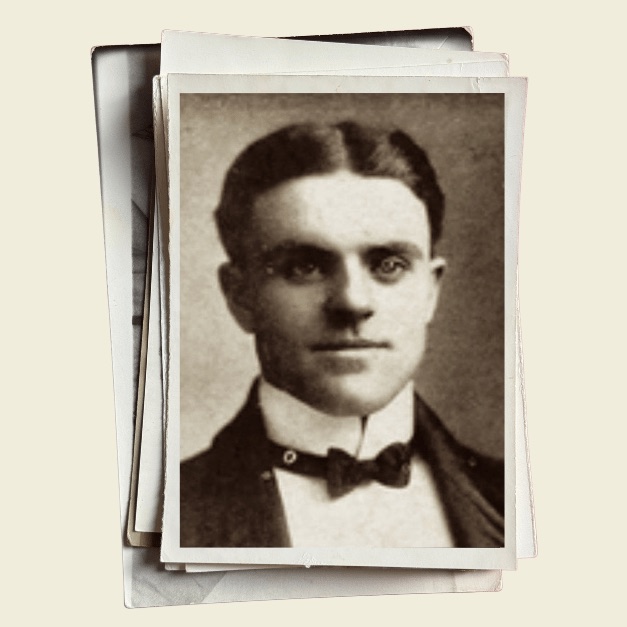
Billy Murray - 1903
1/150
Dubbed “the Denver Nightingale,” Billy Murray secures an engagement with Thomas Edison’s National Phonograph Company and becomes the first singer ever to make a living solely from recording.
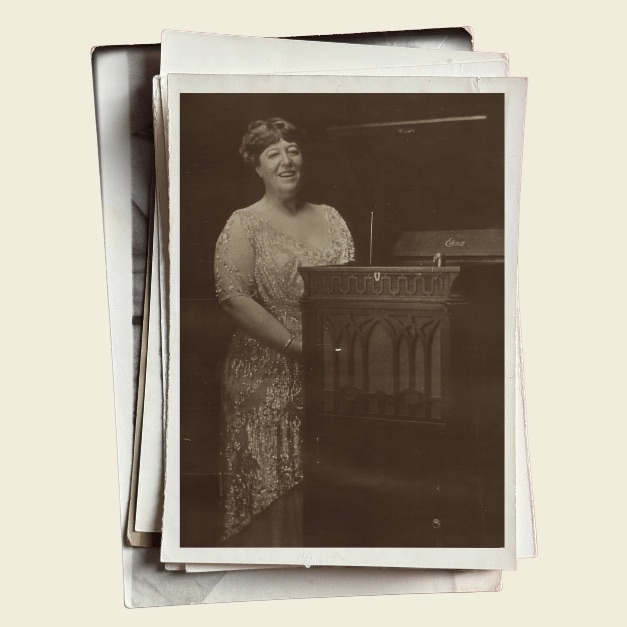
Elizabeth Spencer - 1905
2/150
Elizabeth Spencer, the stepdaughter of the first governor of the Territory of Colorado, makes her professional debut at Denver’s Orpheum Theatre before becoming the most prolific vocalist on Thomas Edison’s staff.
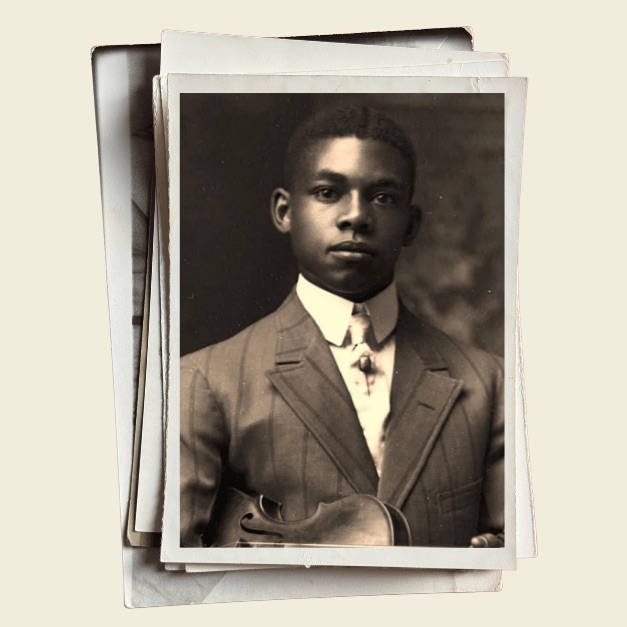
George Morrison Sr. - 1917
3/150
A classically trained violinist and composer raised in Boulder, George Morrison Sr. pioneers one of Colorado’s first jazz orchestras; he achieves international renown by the mid-1920s.
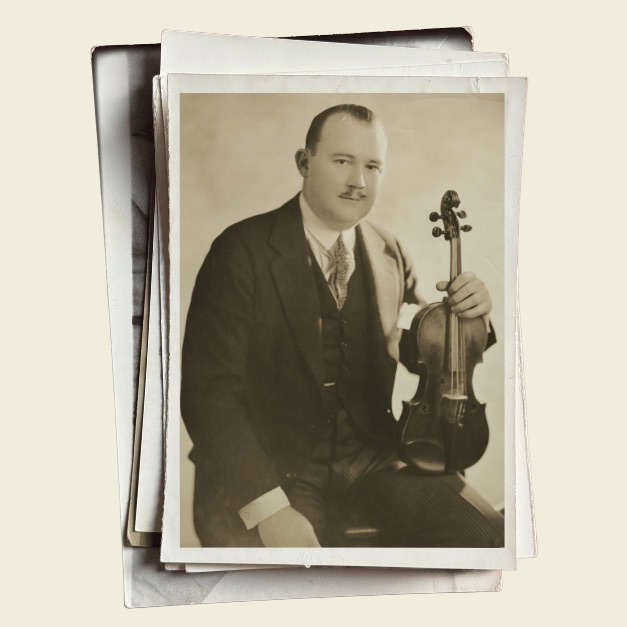
Paul Whiteman - 1918
4/150
Born in Denver and raised in serious music by his father Wilberforce—the director of music for the Denver Public Schools—Paul Whiteman forms a dance band. He soon becomes the “King of Jazz,” the biggest name in the music business.
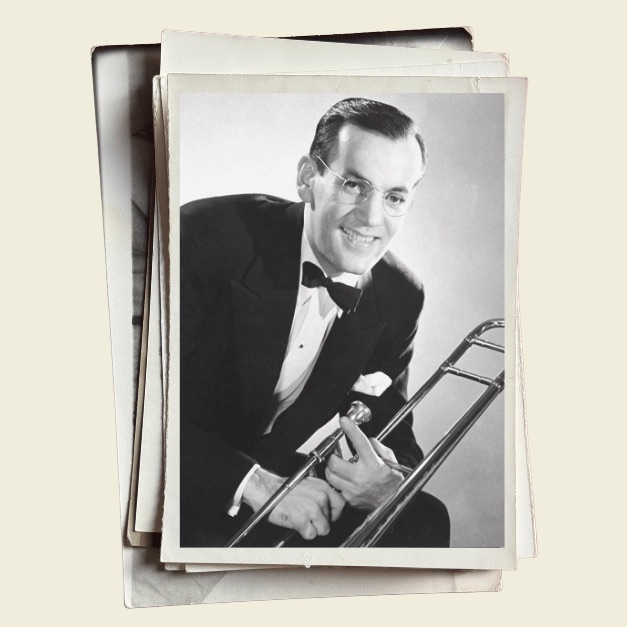
Glenn Miller - 1923
5/150
Fort Morgan native Glenn Miller, a music student at the University of Colorado, drops out and goes on to become the most successful of all big band leaders.
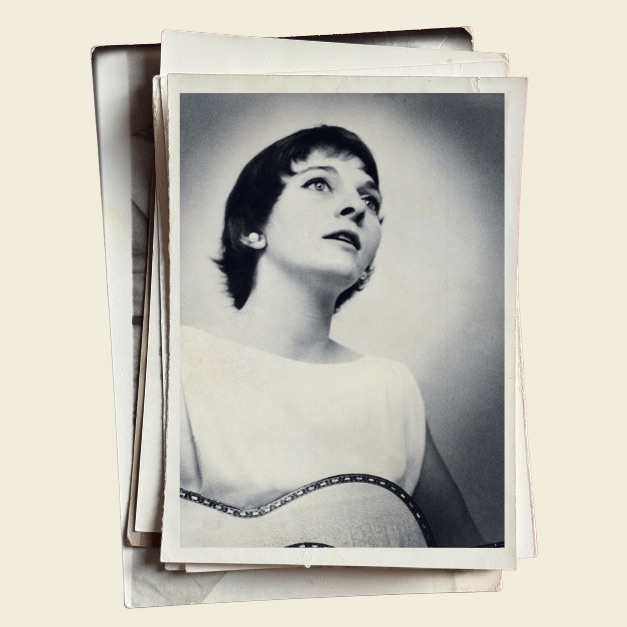
Judy Collins - 1949
6/150
At age 10, Judy Collins begins classical piano study with Dr. Antonia Brico, a woman conductor; in her teens, Collins trades the keyboard for the fretboard of a second-hand guitar and emerges as a renowned star of the folk genre, claiming Colorado as her home state.
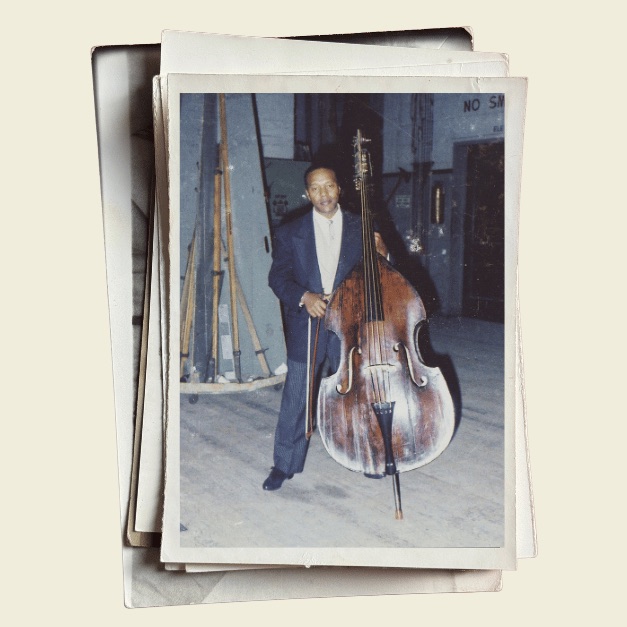
Charles Burrell - 1950
7/150
Excelling in both the classical and jazz musical worlds, Charles Burrell lands a job with the Denver Symphony Orchestra, making him the first person of color under contract with a major orchestra.
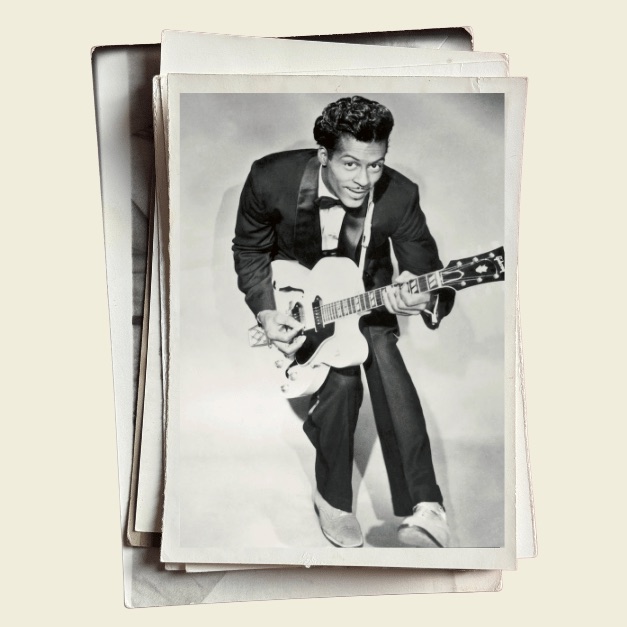
Chuck Berry - 1957
8/150
Rock ’n’ roll pioneer Chuck Berry writes “Sweet Little Sixteen,” his highest-ranking hit of the decade, after being inspired by a young autograph-seeker at the Denver Coliseum.
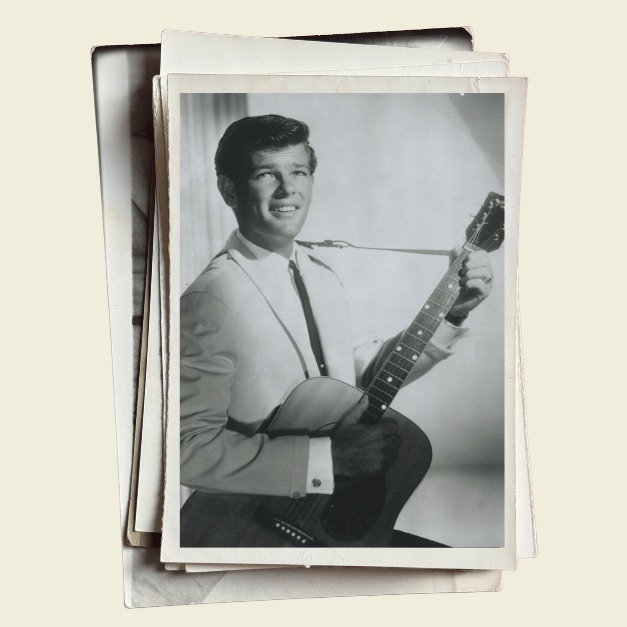
Dean Reed - 1959
9/150
After graduating from Wheat Ridge High, Dean Reed makes “The Search,” a marginally successful folk-pop single. He then fell in love with leftist politics, settling in Communist bloc countries and electrifying kids as “the Red Elvis.”
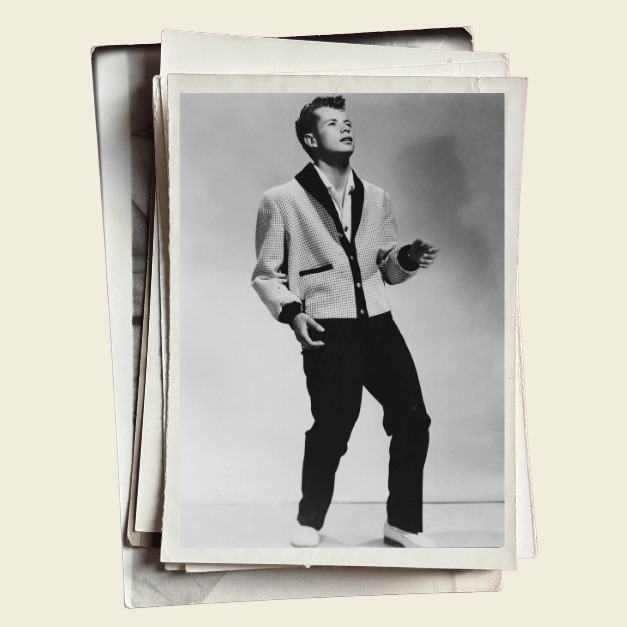
Gary Stites - 1959
10/150
Gary Stites, a Wheat Ridge High School rock ’n’ roller who dominates the local scene, scores a big national hit when the teen sound of “Lonely for You” peaks on the Billboard singles chart.
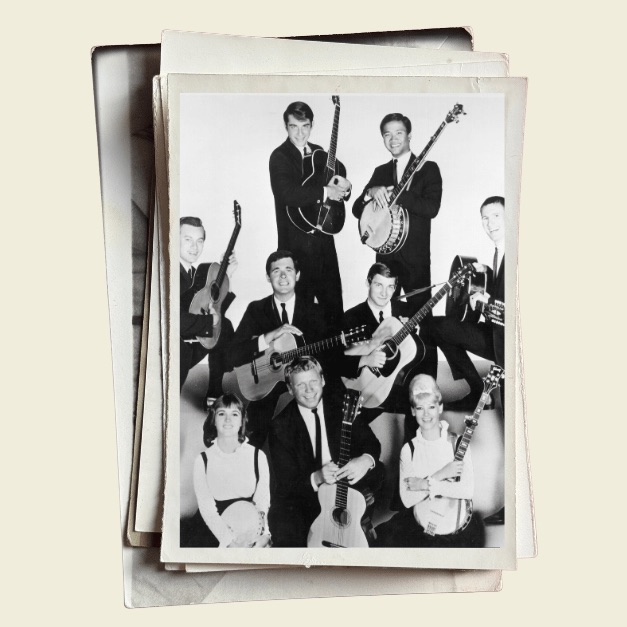
New Christy Minstrels - 1963
11/150
“Denver” by the New Christy Minstrels, a slick, commercial folk-pop group, hits No. 1 on KIMN, the Mile High City’s legendary AM Top 40 radio station.
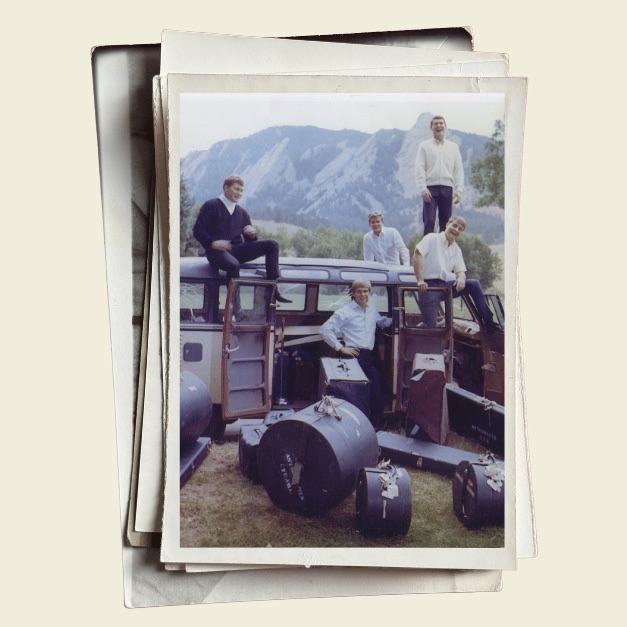
The Astronauts - 1963
12/150
The Astronauts occupy the Billboard Hot 100 with “Baja,” a surf instrumental—a remarkable feat in that they are from Boulder, Colorado, 1,000 miles away from the nearest ocean.
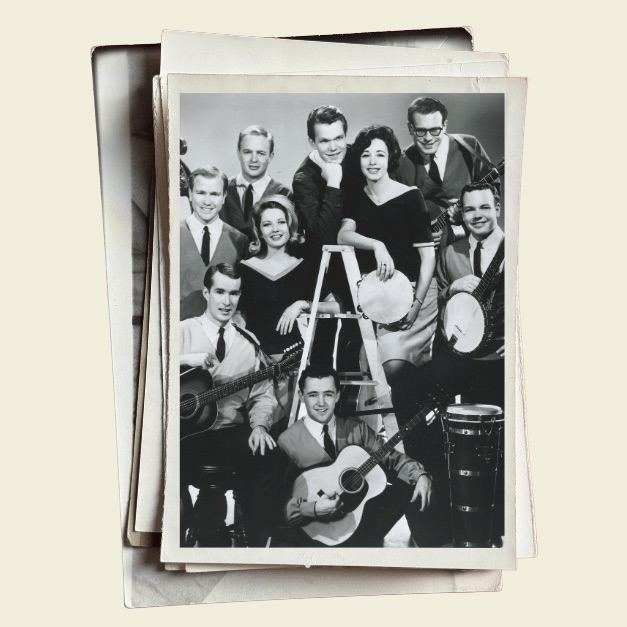
The Serendipity Singers - 1964
13/150
The Serendipity Singers, a well-scrubbed folk-pop ensemble organized at the University of Colorado, reach the national Top 10 with “Don’t Let the Rain Come Down (Crooked Little Man).”
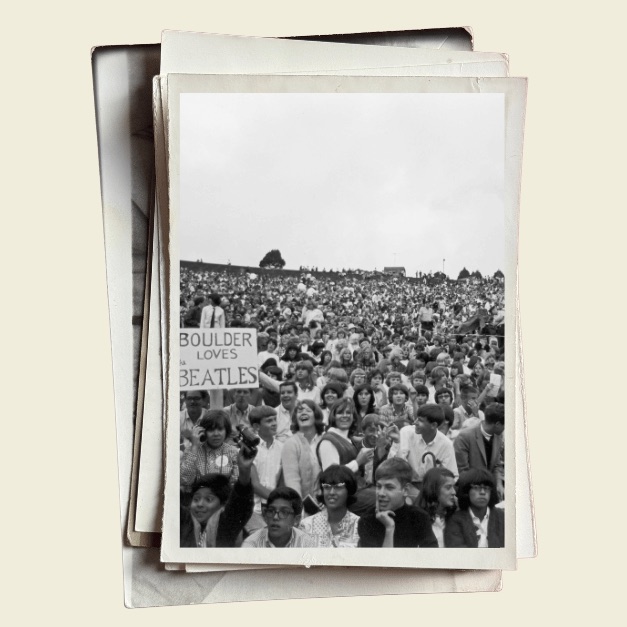
The Beatles - 1964
14/150
The Beatles perform at Red Rocks Amphitheater, the only one of the initial dates on the band’s tour that doesn’t sell out—at least officially. It is well-known in Denver high schools that there are hardly any gates, ticket takers and bouncers, and a few thousand enthusiasts manage to sneak into the event.
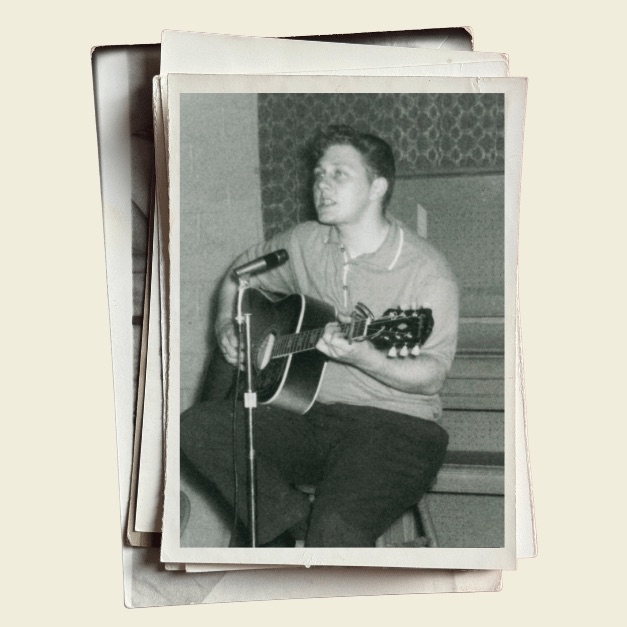
Bob Lind - 1966
15/150
Bob Lind, a folk musician who takes Denver coffeehouses such as the Exodus, the Green Spider and the Analyst by storm, finds pop music success recording “Elusive Butterfly,” a #5 national hit.
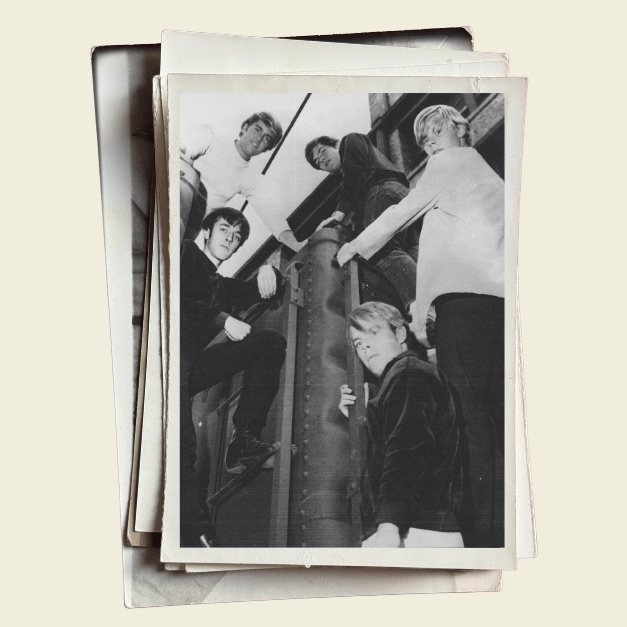
The Rainy Daze - 1967
16/150
The Rainy Daze’ “That Acapulco Gold,” an ode to marijuana crooned in Roaring Twenties vaudeville style, is unceremoniously yanked from national radio playlists once word gets around about the Colorado-based hit’s inspiration.
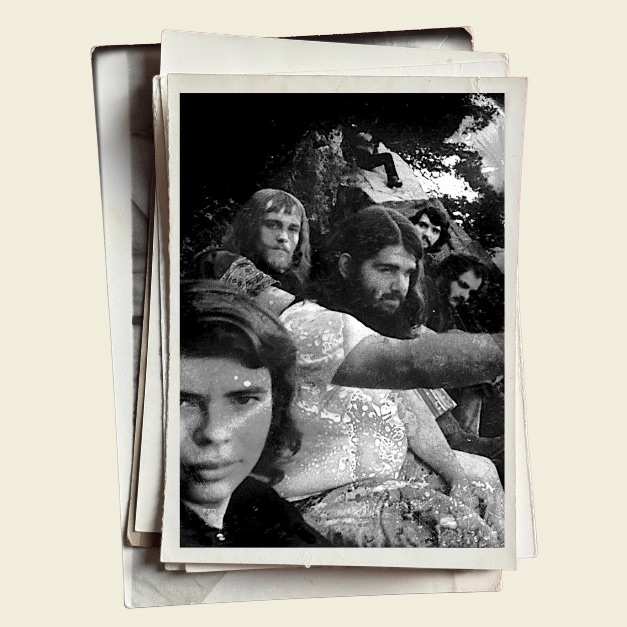
Canned Heat - 1967
17/150
The Family Dog is the center of Denver’s musical universe during a short time in the ’60s, but the police hate the idea of having a hippie club in their city—they bust Canned Heat, a drama immortalized in the song “My Crime.”
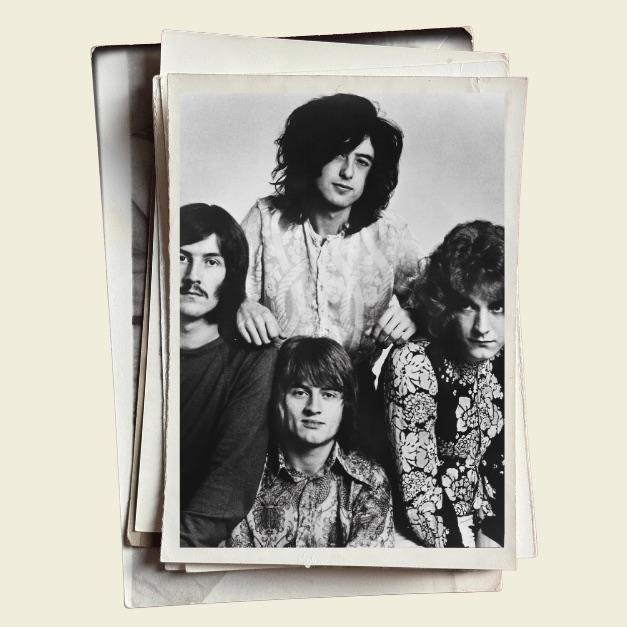
Led Zeppelin - 1968
18/150
The day after Christmas, the members of Led Zeppelin perform their first U.S. concert, at Denver’s Auditorium Arena.
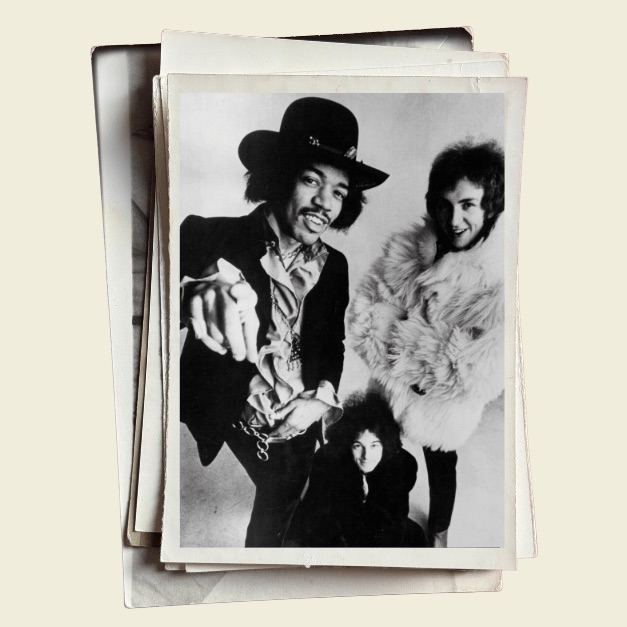
Jimi Hendrix Experience - 1969
19/150
On the final day of the first and only Denver Pop Festival, the Jimi Hendrix Experience play its last concert. During the gig, Mile High Stadium is in an uproar.
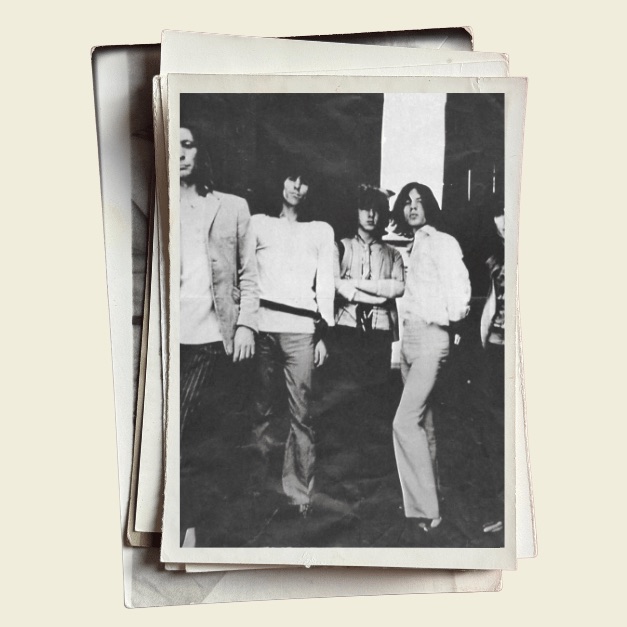
The Rolling Stones - 1969
20/150
The Rolling Stones move from theaters filled with shrieking teens to arenas, assembling a traveling rock ’n’ roll circus. The opening gig is scheduled at the Forum in Los Angeles, but the tour actually starts the day before with a “break-in” concert at Colorado State University’s Moby Gym in Fort Collins—a rehearsal, though no one calls it that.
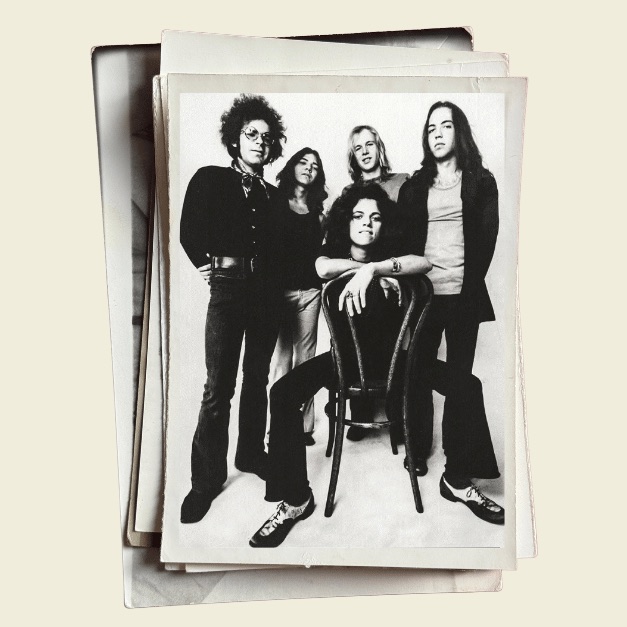
Zephyr - 1969
21/150
Colorado’s hottest band, Zephyr releases a self-titled album, also known as the “rainbow in the bathtub” record for its cover, and reaches the Top 50, establishing Tommy Bolin as one of the premier young guitarists in the country.
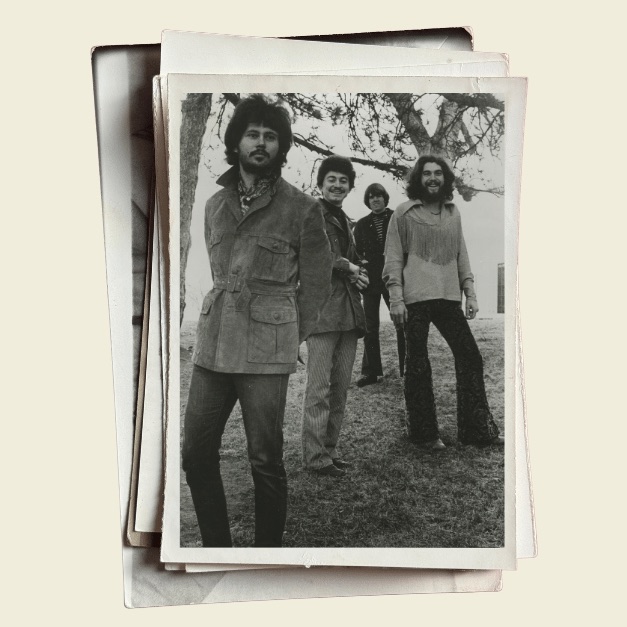
Sugarloaf - 1970
22/150
Rising from of Denver as the cream of several bands, Sugarloaf delivers the big national smash “Green-Eyed Lady.”
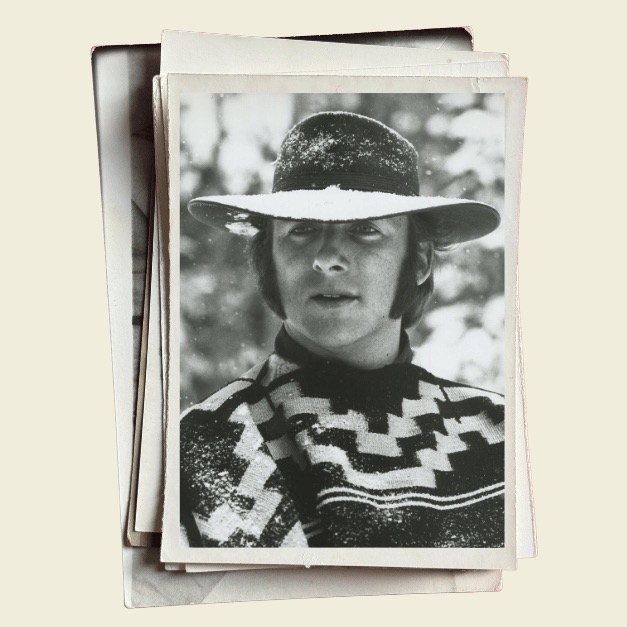
Stephen Stills - 1970
23/150
Searching for some peace from the supergroup Crosby, Stills, Nash & Young, Stephen Stills finds his muse in Colorado, flying in a Lear Jet to airports in Boulder County that are close to his cabin near Gold Hill.
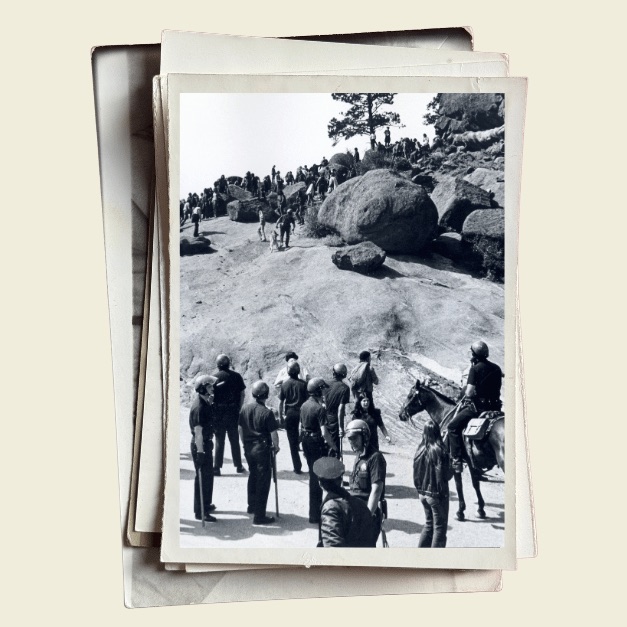
Jethro Tull - 1971
24/150
Jethro Tull’s concert at Red Rocks results in a riot, a debacle that convinces Denver officials to ban rock events at the outdoor venue—a ruling that holds until 1975.
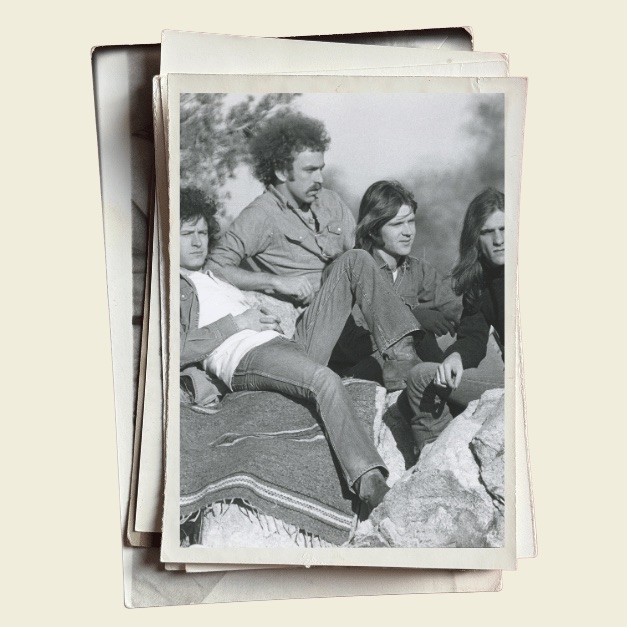
The Eagles - 1971
25/150
The Eagles leave California to get their act together rather than develop in front of Hollywood’s eyes, getting their first gigs—in Colorado, playing two stints at the Gallery in Aspen, and five nights at Tulagi, the 3.2 beer nightclub on Boulder’s University Hill.
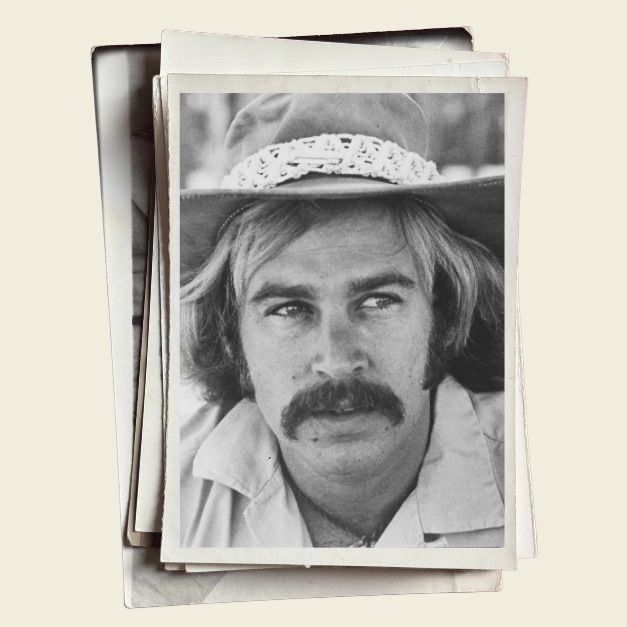
Jimmy Buffett - 1971
26/150
Jimmy Buffett, who spends his summers touring in the mountains of Colorado, goes out to San Francisco and leaves his girlfriend (later his wife) in Aspen. He writes “Come Monday” about her, and it becomes Buffett’s first hit single in 1974.
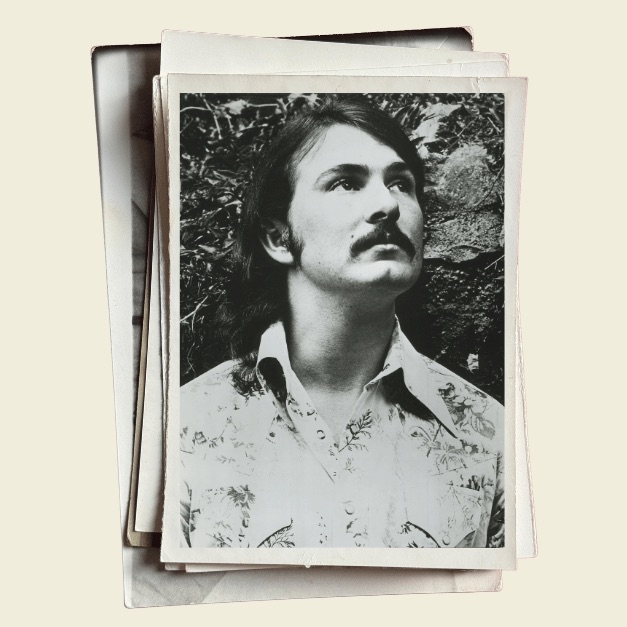
Rick Roberts - 1971
27/150
Serving as a de facto spark of the “second edition” of the Flying Burrito Brothers after Gram Parsons leaves the band, singer-songwriter Rick Roberts contributes his composition “Colorado.”
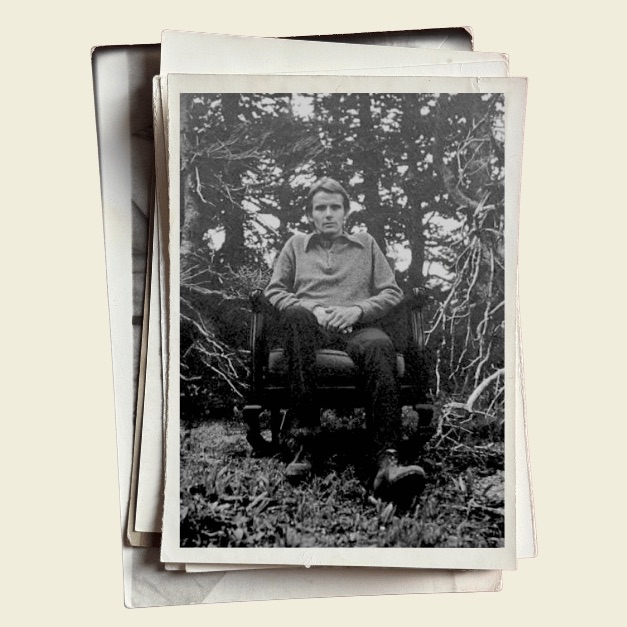
Danny Holien - 1972
28/150
Tumbleweed Records, a small independent Denver-based label co-owned by Bill Szymczyk, scores a minor hit with Danny Holien’s “Colorado,” a quiet protest against the rape of the land that gets heavy play on FM radio stations.
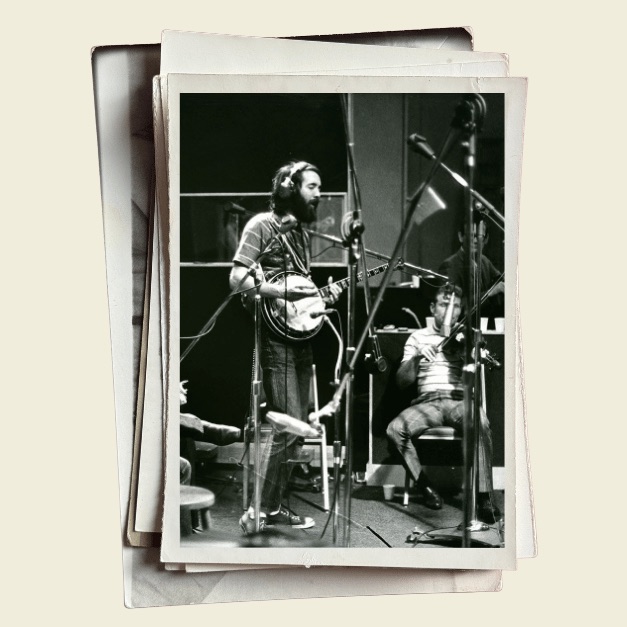
Nitty Gritty Dirt Band - 1972
29/150
A period of residing in Colorado gives the Nitty Gritty Dirt Band its best-known success: Will the Circle Be Unbroken, an unprecedented, groundbreaking three-LP set of traditional country numbers performed in conjunction with the original musicians who had greatly influenced them.
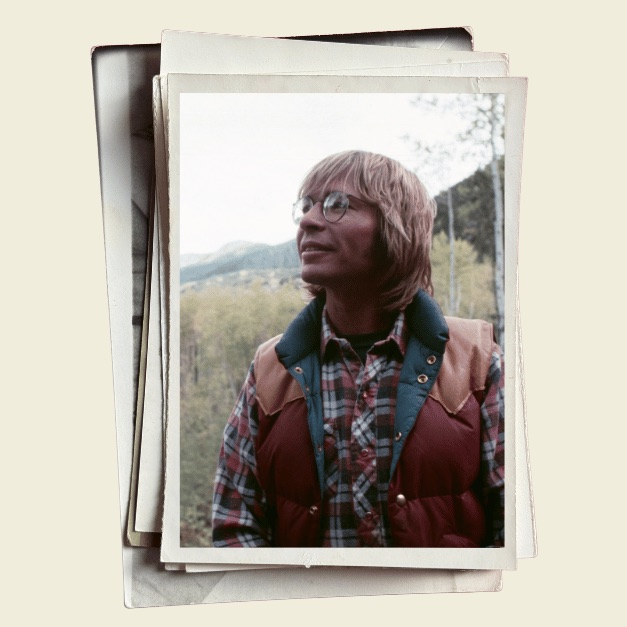
John Denver - 1972
30/150
Inspired by his move to Aspen, venerable singer-songwriter John Denver begins the commercially potent phase of his career on a “Rocky Mountain High,” which later becomes an official state song of Colorado.
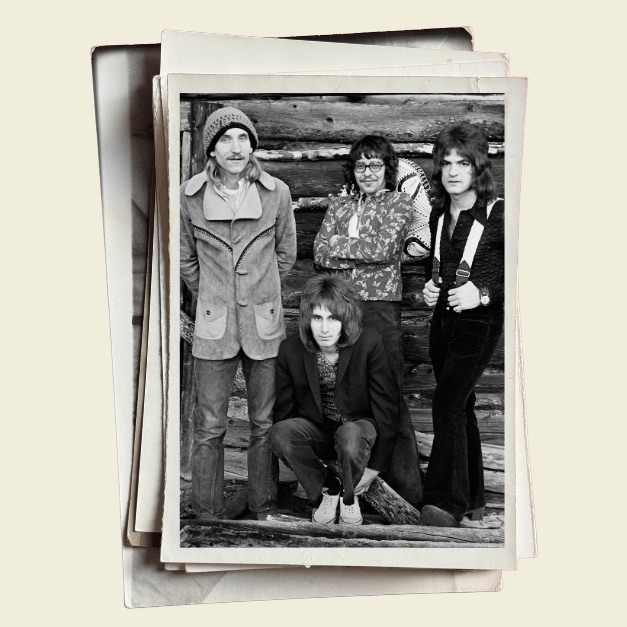
Joe Walsh - 1973
31/150
Accompanied at Caribou Ranch by his band Barnstorm, Joe Walsh records “Rocky Mountain Way,” a song inspired by his move to Colorado. The classic-rock mainstay becomes his signature tune.
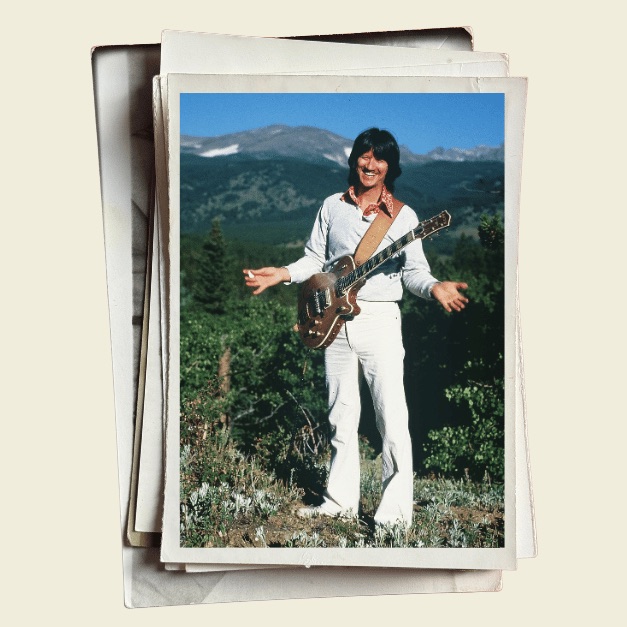
Poco - 1973
32/150
Having moved with fellow band members to Colorado, Richie Furay writes Poco’s most distinctive composition, “A Good Feeling to Know,” while walking down a road to his house near Nederland.
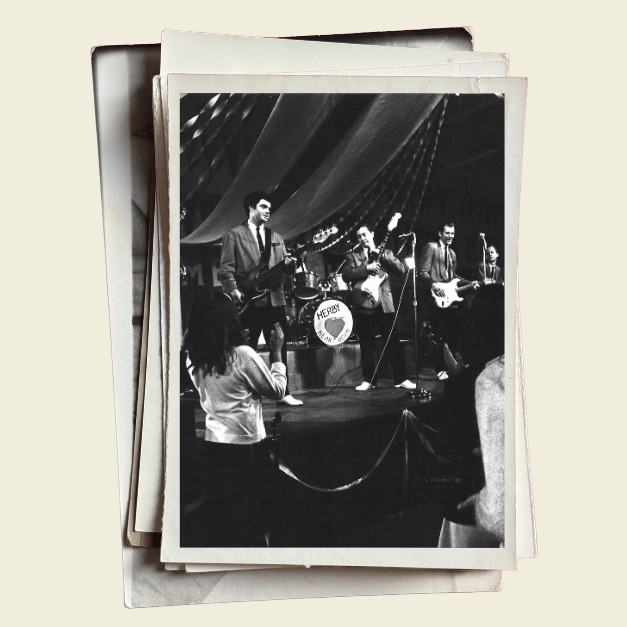
Flash Cadillac - 1973
33/150
Flash Cadillac, the beloved 1950s oldies band formed at the University of Colorado, earns acclaim in the movies, portraying the sock-hop band Herby & the Heartbeats in American Graffiti, George Lucas’ Academy Award-nominated classic.
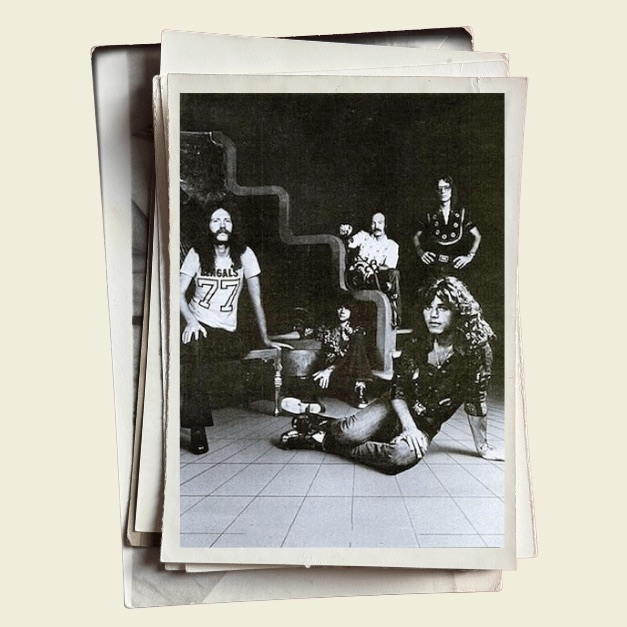
REO Speedwagon - 1973
34/150
In Boulder to play Tulagi, REO Speedwagon writes “Ridin’ the Storm Out,” a classic rock staple, after getting caught in a wintry blizzard while hiking in the Flatirons.
Chicago - 1973
35/150
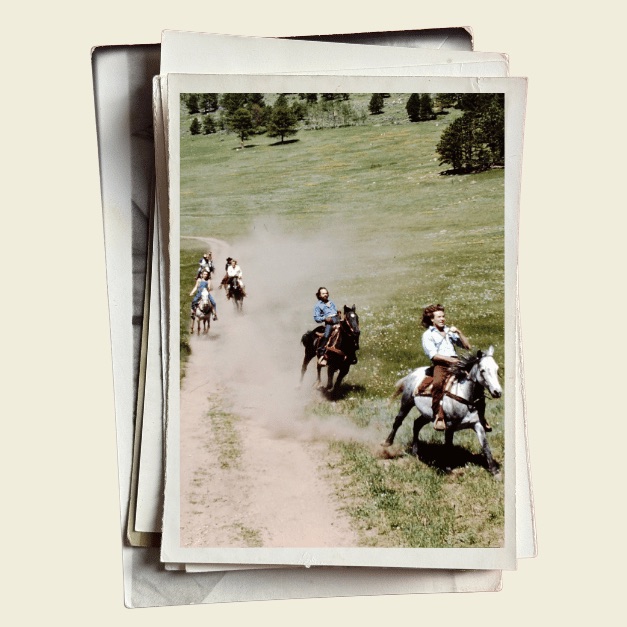
The band Chicago films Chicago: High in the Rockies, the first of two network television specials, near the Boulder County foothills hamlet of Caribou Ranch, the members pretending they are cowboys.
Queen - 1974
36/150
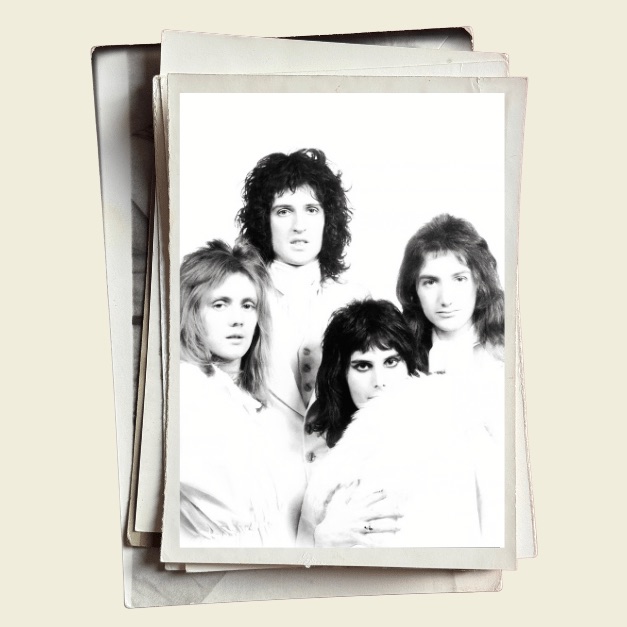
Queen begins its first American tour by opening for Mott the Hoople at Regis College in Denver.
Bob Seger - 1974
37/150
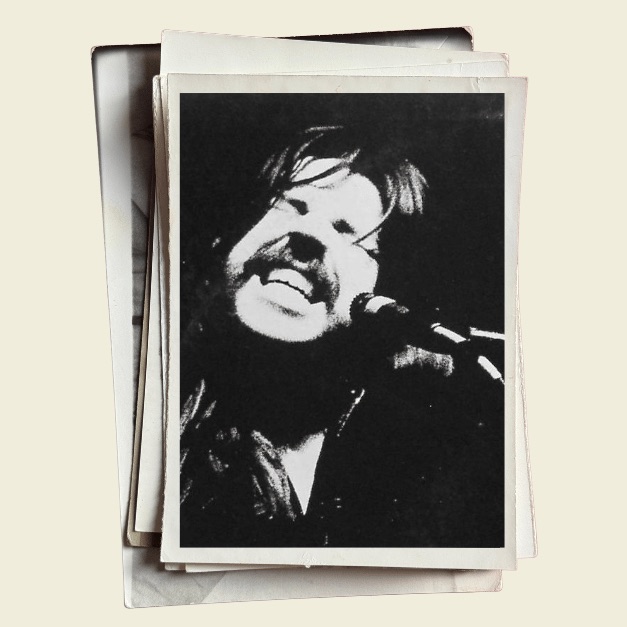
Bob Seger’s “Get Out of Denver” makes its way to the Billboard chart; the song becomes a classic, covered in the next decade by Dave Edmunds, Eddie & the Hot Rods and Dr. Feelgood.
Elton John - 1974
38/150
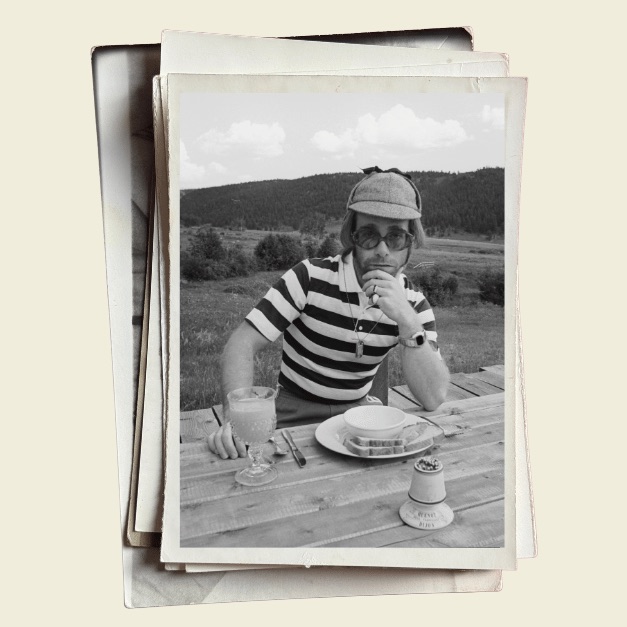
Caribou Ranch, the legendary recording complex near Nederland, Colorado, gains prominence when Elton John records the gratefully titled Caribou, the first of several chart-topping albums he makes there.
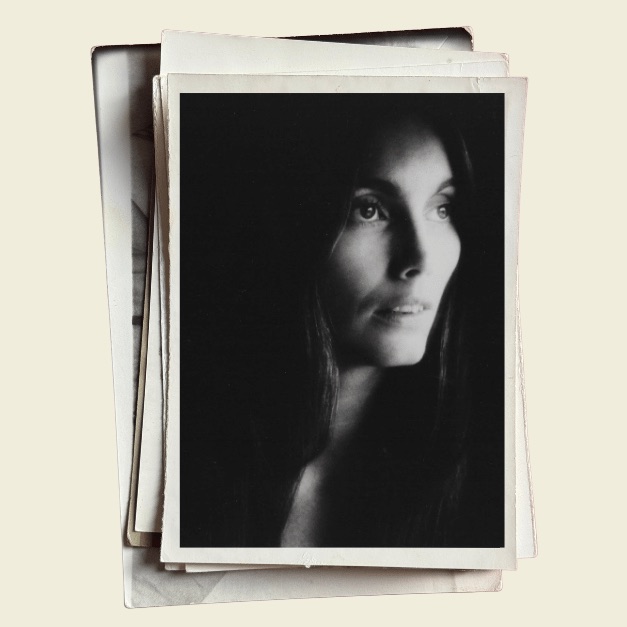
Emmylou Harris - 1975
39/150
Emmylou Harris’ debut album, Pieces of the Sky, yields the achingly beautiful “Boulder to Birmingham,” her heartbroken paean to her mentor, the late Gram Parsons.
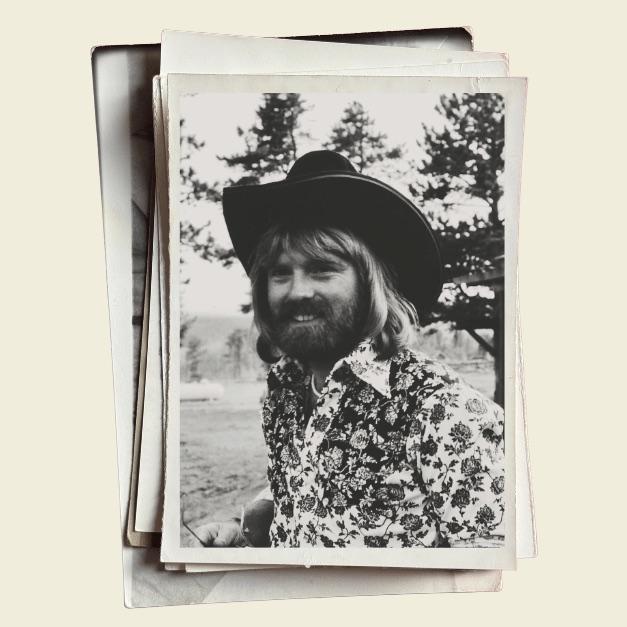
Michael Murphey - 1975
40/150
Michael Murphey’s Colorado journey begins with the classy, heartfelt ballad “Wildfire”—“the song about the horse,” recorded at Caribou Ranch—which shoots to #3.
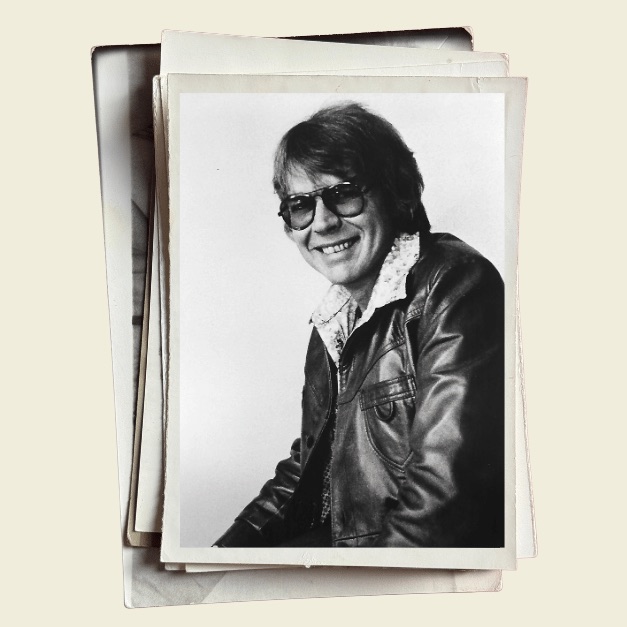
C.W. McCall - 1975
41/150
Bill Fries’ character C.W. McCall reaches No. 1 with the surprise hit “Convoy.” Eleven years later, Fries retires to the town of Ouray, Colorado (pop. 684), where he is elected mayor.
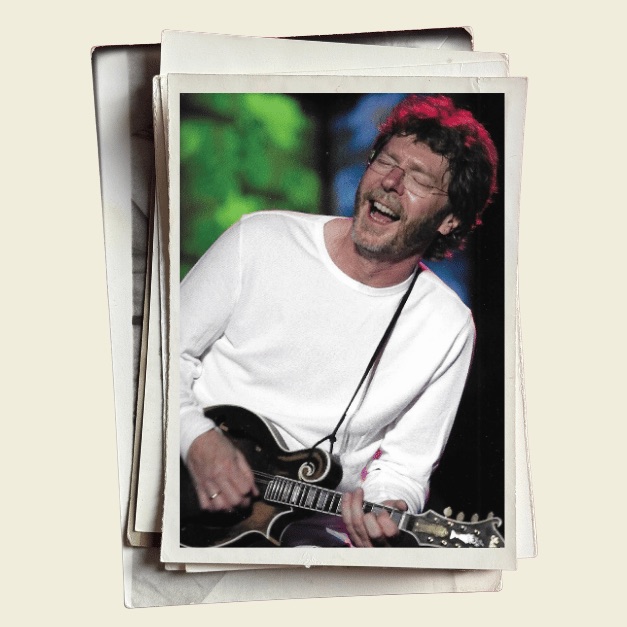
Sam Bush - 1975
42/150
Sam Bush plays his first Telluride Bluegrass Festival with his band New Grass Revival; he guests at every festival for 50 consecutive years, becoming so well-loved and respected that he earns the title “the King of Telluride.”
Elvis Presley - 1976
43/150
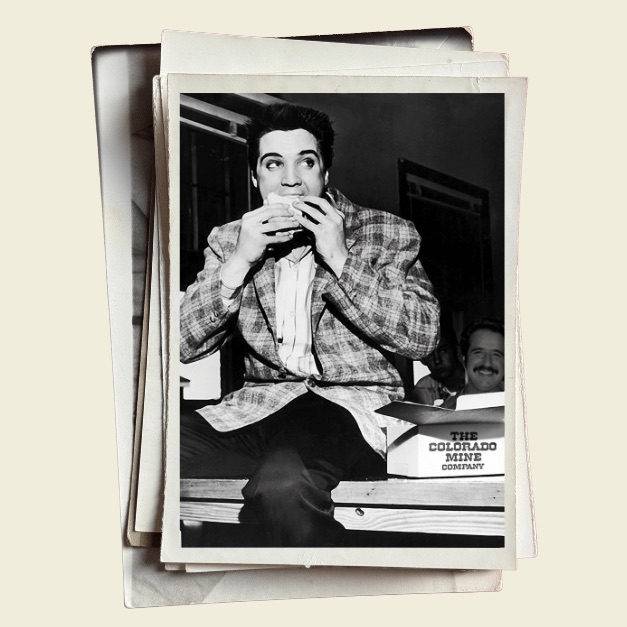
Elvis Presley, the anointed King of Rock ’n’ Roll, takes his private jet from Memphis to Denver to fetch the Fool’s Gold Loaf— a$37.95 concoction from the Colorado Mine Company restaurant featuring a butter-smeared sourdough loaf hollowed out and filled with a jar of smooth peanut butter, a jar of blueberry preserves and one pound of crisp lean bacon.
Bob Dylan - 1976
44/150
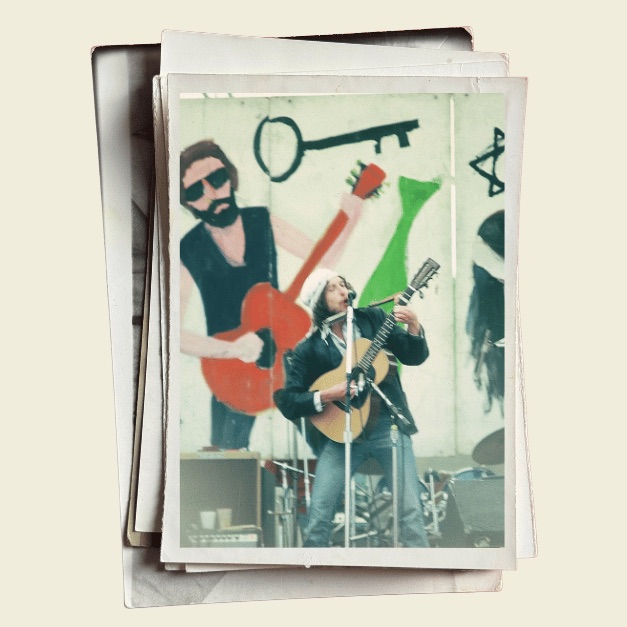
Bob Dylan and his Rolling Thunder Revue film a concert under stormy skies at Hughes Stadium in Fort Collins; a one-hour television special, appropriately titled Hard Rain, airs on NBC.
Billy Joel - 1976
45/150
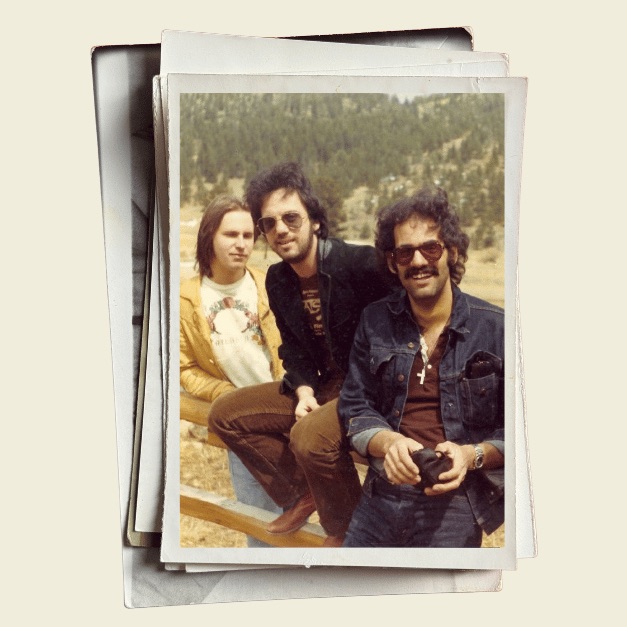
For Turnstiles, his third album, Billy Joel puts together his own band and does most of the vocals, overdubs, mixing and production at Caribou Ranch; the group, which remains mostly intact to back Joel on his greatest hits through the next decade, plays its first gigs at the Good Earth, a Boulder nightclub.
Firefall - 1976
46/150
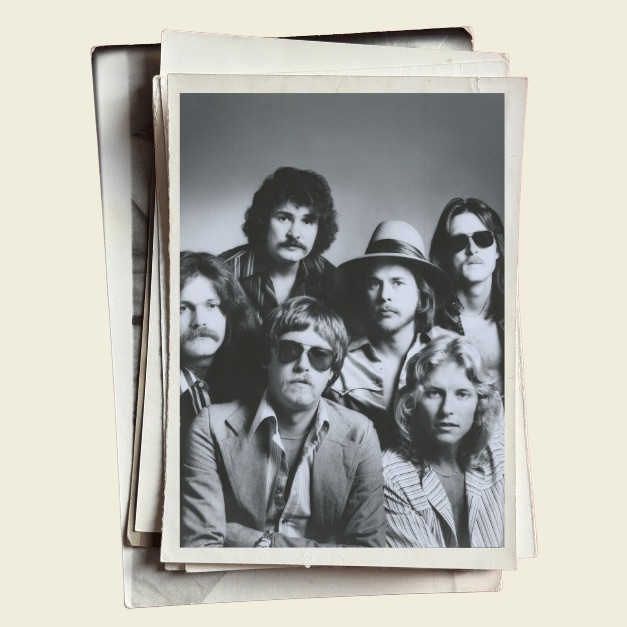
Firefall’s soft-rock blend of country and pop defines the “Colorado sound” with three singles—the Top 10 “You Are the Woman,” “Livin’ Ain’t Livin’” and “Cinderella”—and the band’s debut album turns the magic platinum mark.
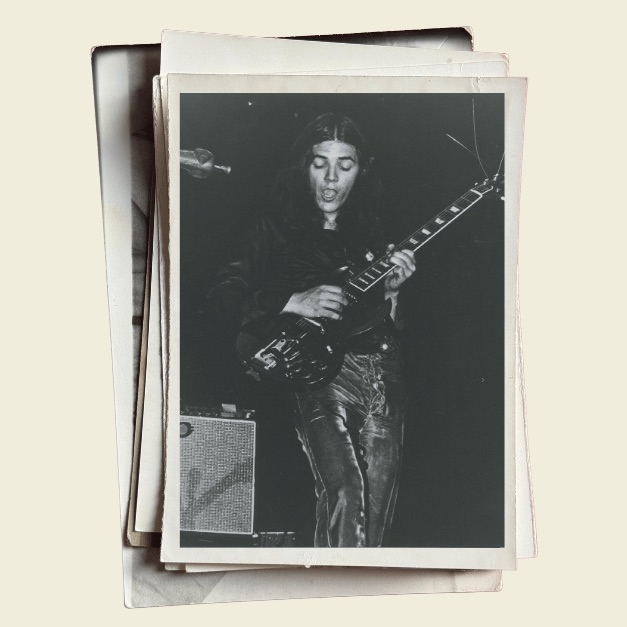
Tommy Bolin - 1976
47/150
On his way to becoming a rock music legend from the Denver-Boulder area, where his exceptional talent and versatility led to success as a solo artist as well as gigs with Zephyr, James Gang and Deep Purple, guitarist Tommy Bolin dies at the age of 25.
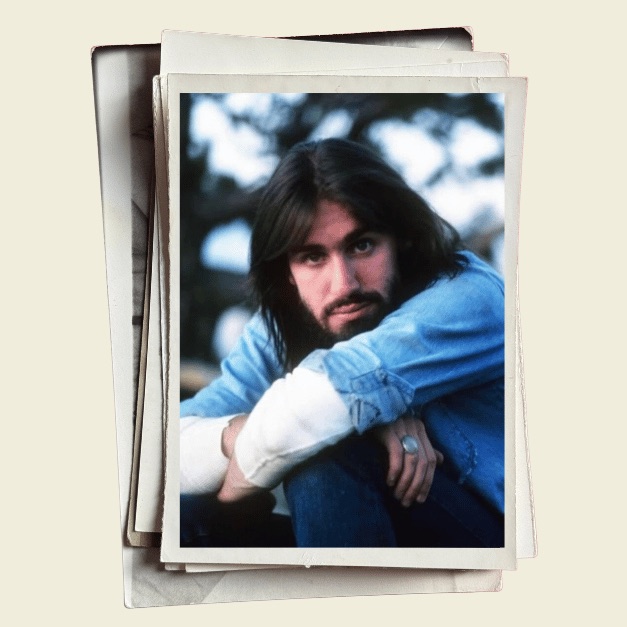
Dan Fogelberg - 1977
48/150
Singer-songwriter Dan Fogelberg spills out songs from his new Colorado hideaway, a 9,000-foot perch in the Rockies, and Nether Lands is a platinum seller.
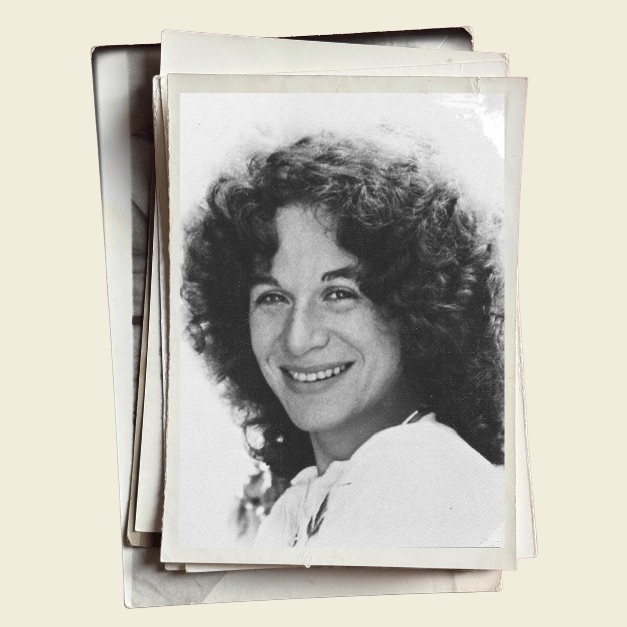
Carole King - 1977
49/150
Carole King enlists Boulder’s Navarro as her “side-by-side” band for the Simple Things album, which goes gold.
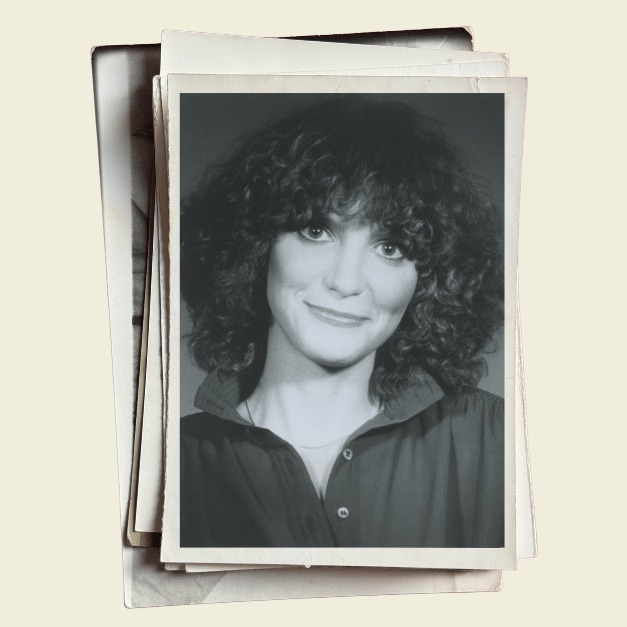
Mary MacGregor - 1977
50/150
While living in Steamboat Springs, Mary MacGregor simultaneously tops the pop, country and easy listening charts with “Torn Between Two Lovers.”
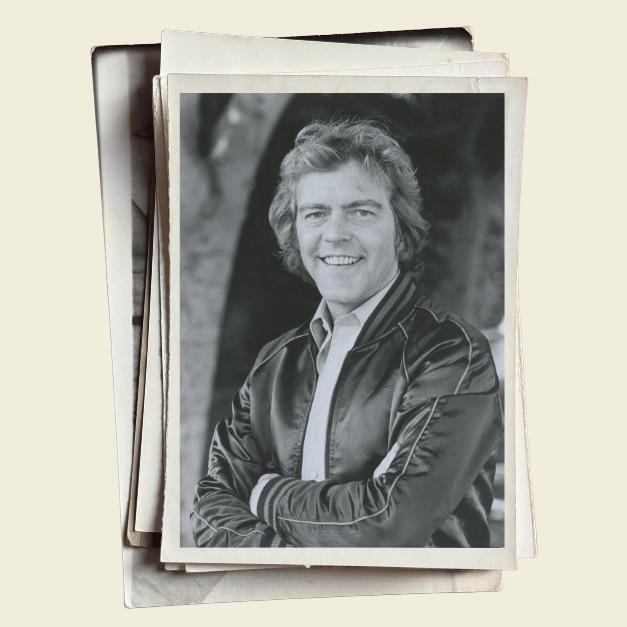
Michael Johnson - 1978
51/150
Singer-songwriter Michael Johnson, who grew up in Denver and was expelled from his Catholic family high school for mooning a nun, scores his first big pop and adult contemporary hit, “Bluer Than Blue.”
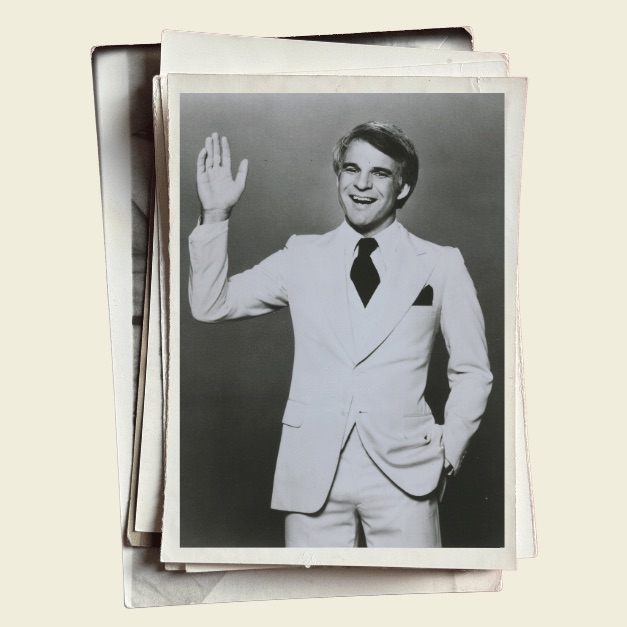
Steve Martin - 1978
52/150
Aspen resident Steve Martin records the second side of A Wild and Crazy Guy at Red Rocks Amphitheatre in front of a roaring audience; it wins the Grammy Award for Best Comedy Album
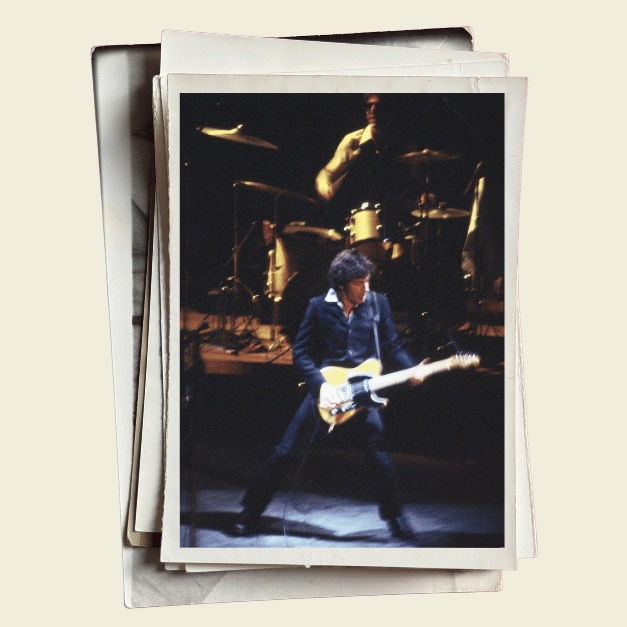
Bruce Springsteen - 1978
53/150
After weeks of cajoling by his manager and booking agents, Bruce Springsteen agrees to do his first-ever outdoor show, making his Colorado debut at Red Rocks Amphitheatre.
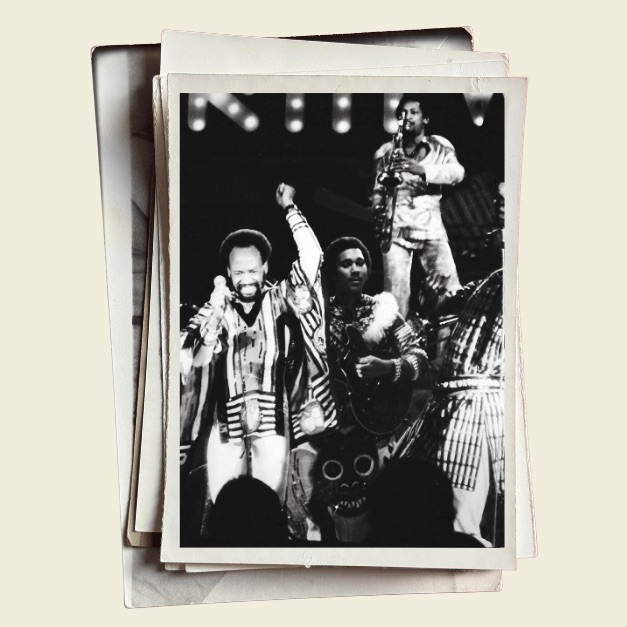
Earth, Wind & Fire - 1978
54/150
Earth, Wind & Fire reworks the Beatles’ “Got to Get You into My Life” at Northstar Studios in Boulder and then performs the funky Top 10 single in the ill-fated Sgt. Pepper’s Lonely Hearts Club Band movie as themselves.
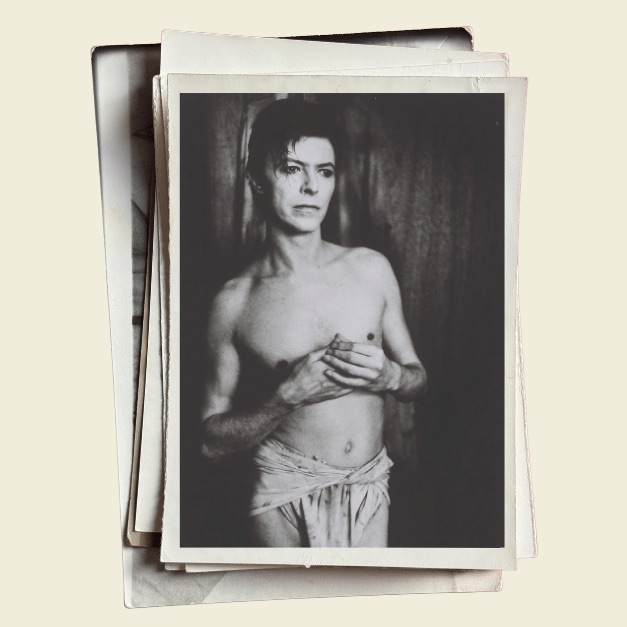
David Bowie - 1980
55/150
David Bowie, rock’s ultimate chameleon, makes his theatrical debut playing the title role in The Elephant Man, opening its run in Denver before taking over the New York production.
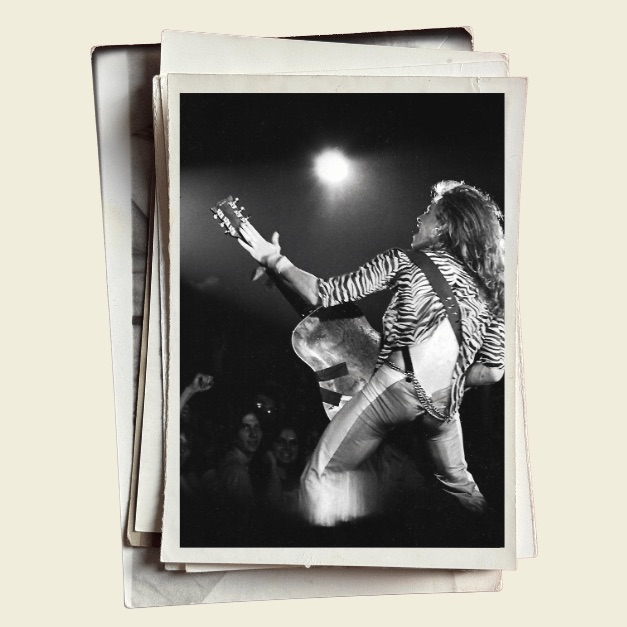
Van Halen - 1980
56/150
Early on a tour, at the University of Southern Colorado in Pueblo, Van Halen decides that a provision in their contract rider—that meals always include servings of M&M candies with the brown ones removed—is not met, and the school claims that the band causes thousands of dollars’ worth of damage trashing the facilities.
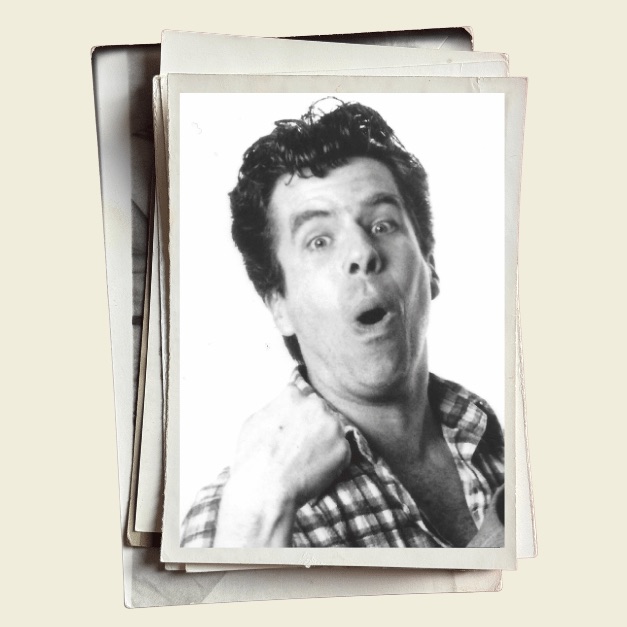
Mojo Nixon - 1980
57/150
Rock eccentric Mojo Nixon, still appearing under his birthname Kirby McMillan, is questioned by the U.S. Secret Service for his band Zebra 123’s part in the Assassination Ball at the notorious Malfunction Junction in Denver’s Capitol Hill area.
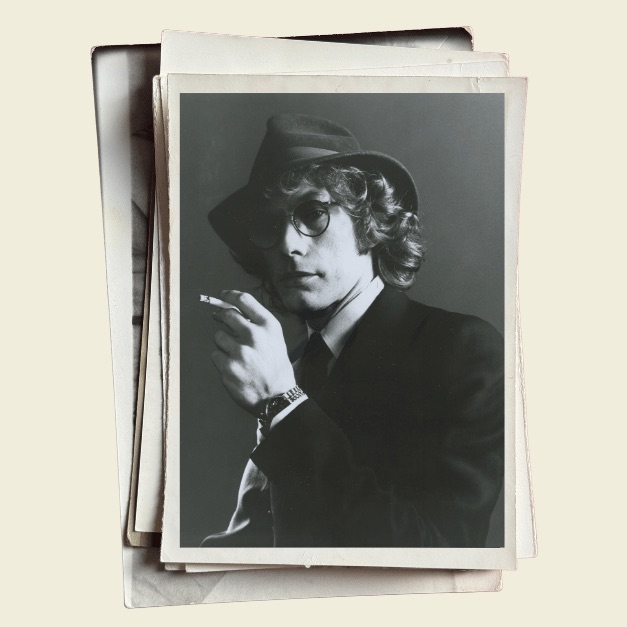
Warren Zevon - 1980
58/150
Eager to tour after a temporary setback from alcoholism, Warren Zevon meets a little-known Colorado group called Boulder and takes to the road, cutting a live recording, Stand in the Fire.
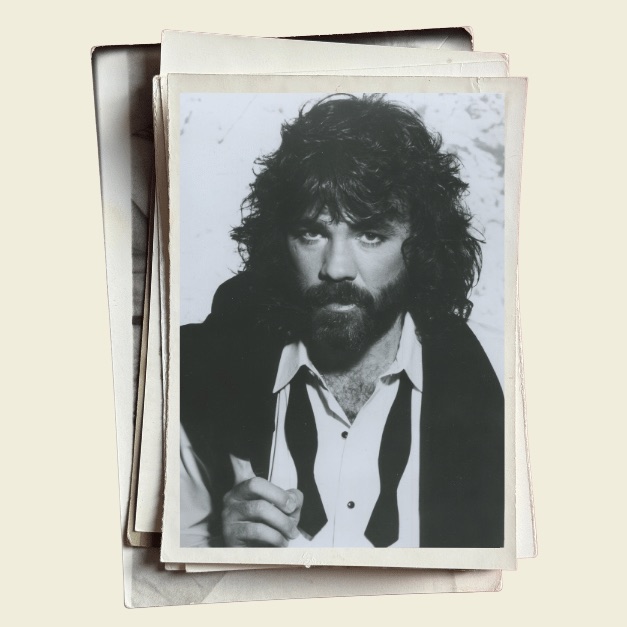
Gary Morris - 1980
59/150
Gary Morris sustains a string of smash country singles, crediting Colorado as the place where he gained his most valuable experience.
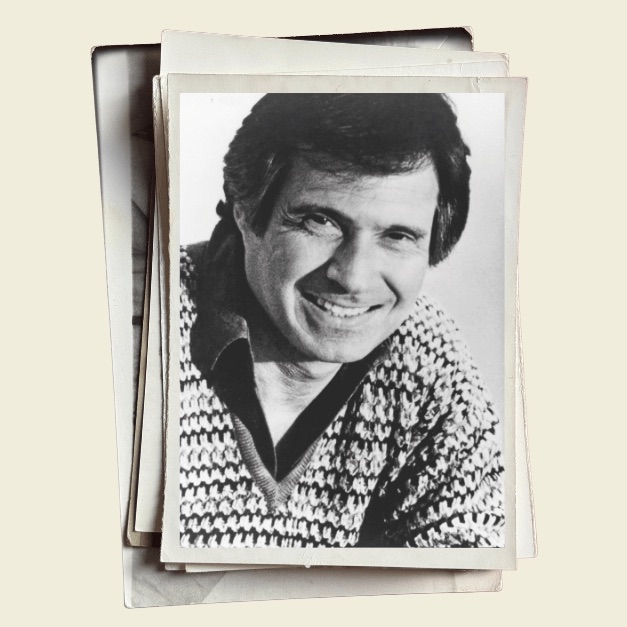
Dave Grusin - 1981
60/150
Pianist, conductor, arranger, composer and producer Dave Grusin runs GRP Records, a classy mainstream jazz label, and the Colorado native records Mountain Dance, the most successful of his own albums to crack the charts.
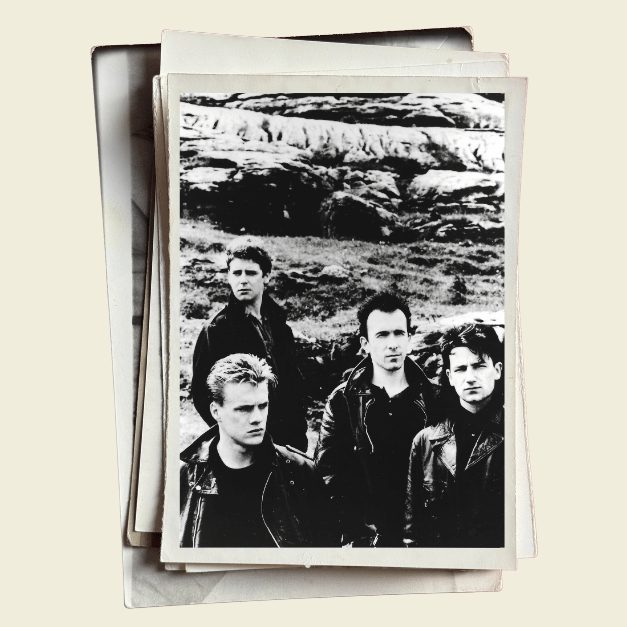
U2 - 1983
61/150
On a cold, rainy night at the mystical Red Rocks Amphitheatre, U2 performs a 19-song concert that goes down as one of the band’s defining moments and is immortalized in a video, Under a Blood Red Sky.
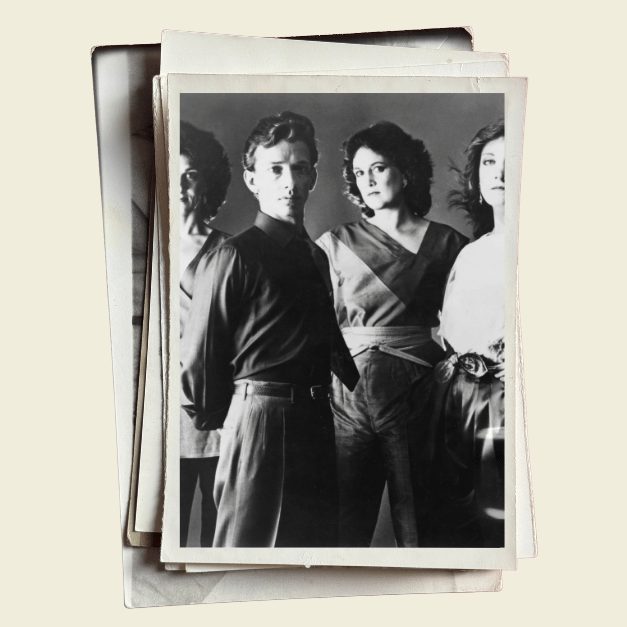
Rare Silk - 1983
62/150
Boulder-based, Rare Silk emerges as a Grammy-nominated vocal group as New Weave makes its way to #2 on Billboard’s Jazz Albums chart.
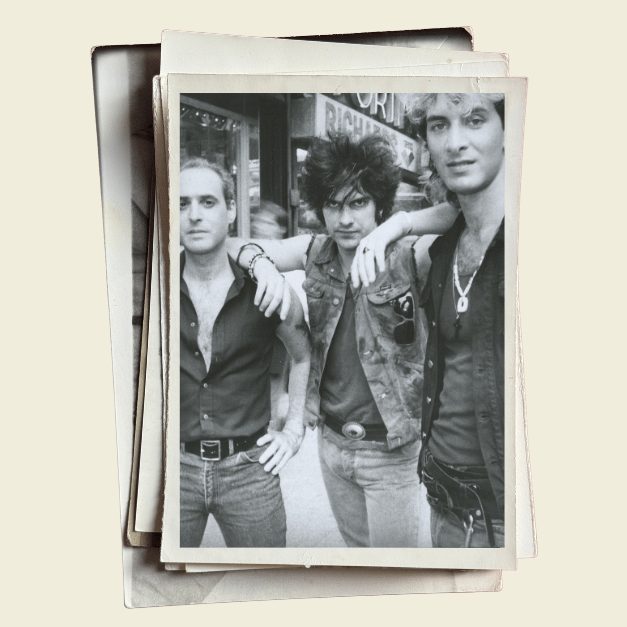
The Nails - 1984
63/150
Having begun their musical life as the Ravers—Colorado’s punk rock forefathers—the Nails re-record the sardonic “88 Lines About 44 Women,” which continues to appear on new wave compilations over the years.
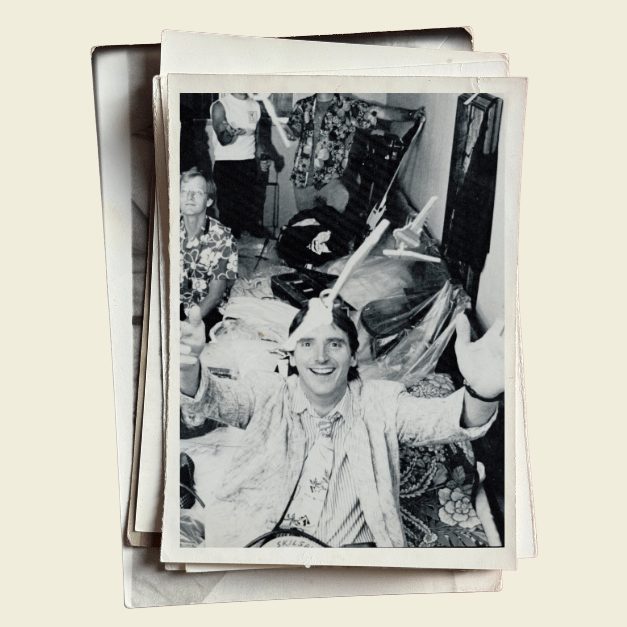
Chris Daniels & the Kings - 1984
64/150
Chris Daniels forms a rhythm & blues horn band as a “one-night party” at the Blue Note in Boulder; more than four decades later, Chris Daniels & the Kings have produced 20 albums, toured Europe 24 times and remain a top local concert draw.
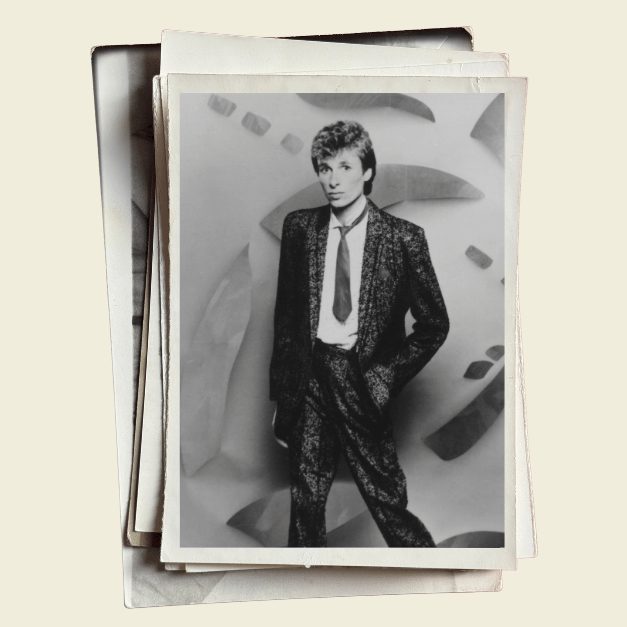
Steve Taylor - 1984
65/150
Steve Taylor, a Northglenn High School graduate (class of 1976), emerges as perhaps the most intriguing artist in the contemporary Christian genre; Newsweek calls him “evangelical rock’s court jester.”
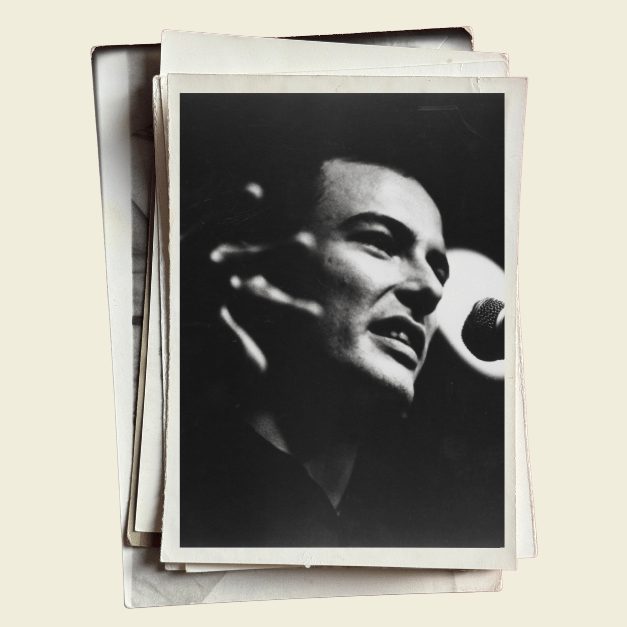
Jello Biafra - 1985
66/150
Born and raised in hippie-happy Boulder, punk-rock frontman Jello Biafra of the Dead Kennedys becomes the target of one of rock music’s most spectacular censorship trials.
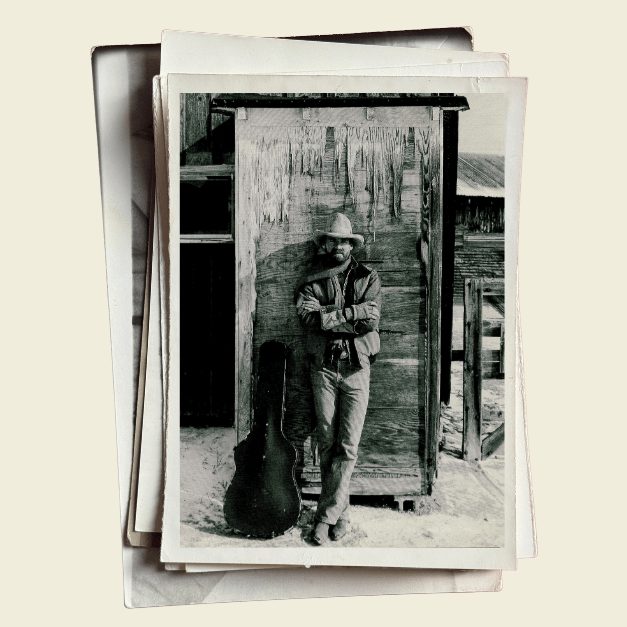
Chuck Pyle - 1985
67/150
The title track to Colorado resident Chuck Pyle’s album Drifter’s Wind peaks on Billboard’s country singles chart, and the accomplished songwriter—labeled the “Zen cowboy” by a reviewer—emerges as a celebrated artist in his own right.
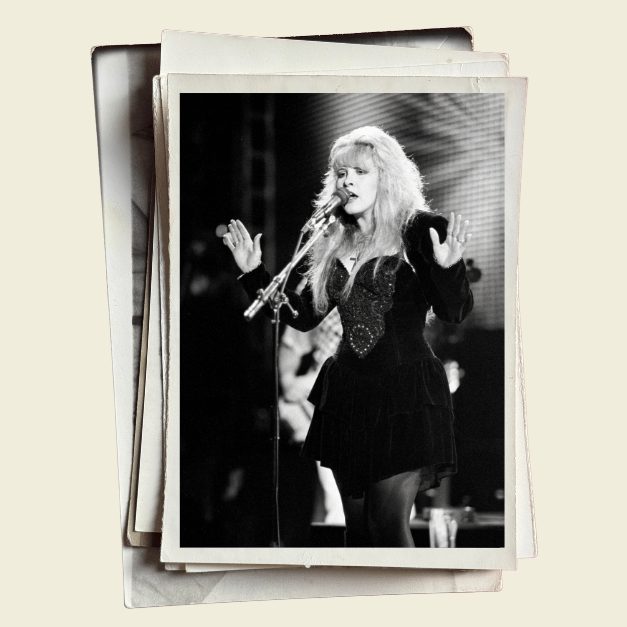
Stevie Nicks - 1986
68/150
Stevie Nicks films her performance at Red Rocks Amphitheatre for a Showtime cable network special and the Stevie: Live at Red Rocks concert video.
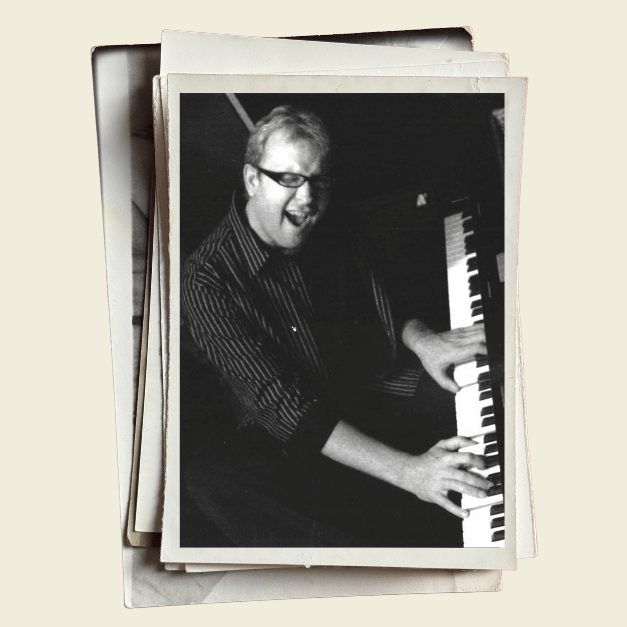
Rob Mullins - 1986
69/150
Rising to international acclaim as a composer and performer, Denver’s Rob Mullins starts his own RMC Records, and Soulscape peaks on Billboard’s jazz albums chart, propelled by the Grammy-nominated single “Making Love.”
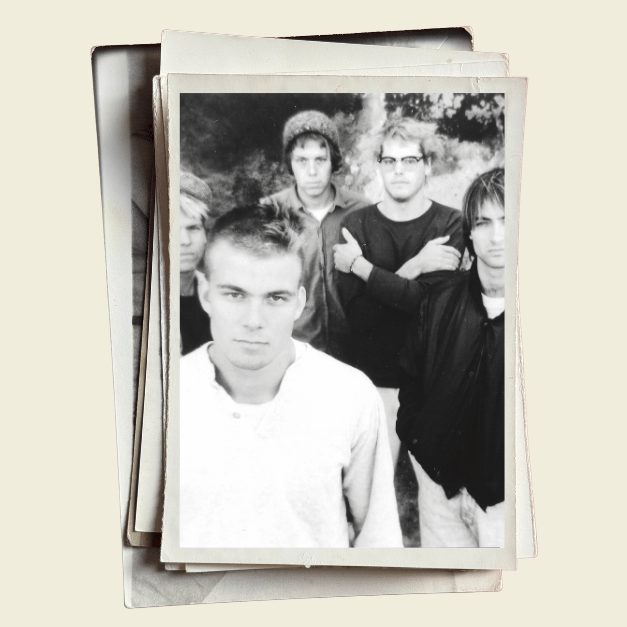
The Samples - 1987
70/150
The Samples play their first show in front of a handful of people at Tulagi nightclub in Boulder on Easter Sunday, growing a solid grassroots following to become one of the most popular touring bands.
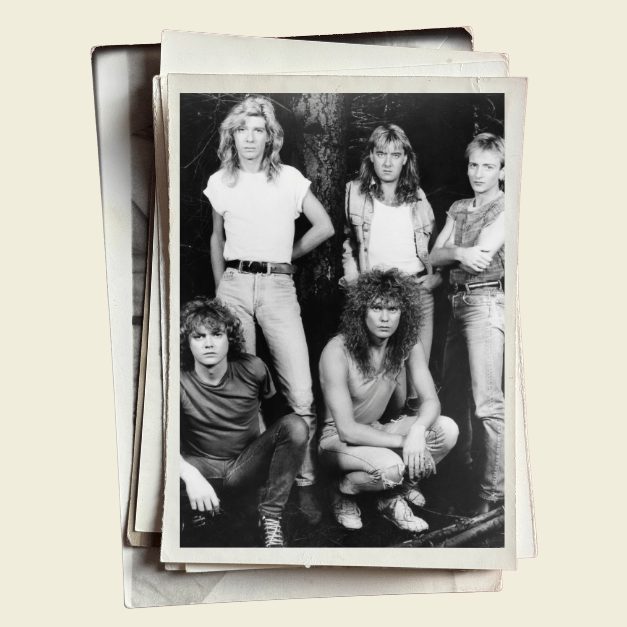
Def Leppard - 1988
71/150
To commemorate the 227-date “Hysteria” world tour, Def Leppard films a concert video at Denver’s McNichols Arena, titled In the Round-In Your Face.
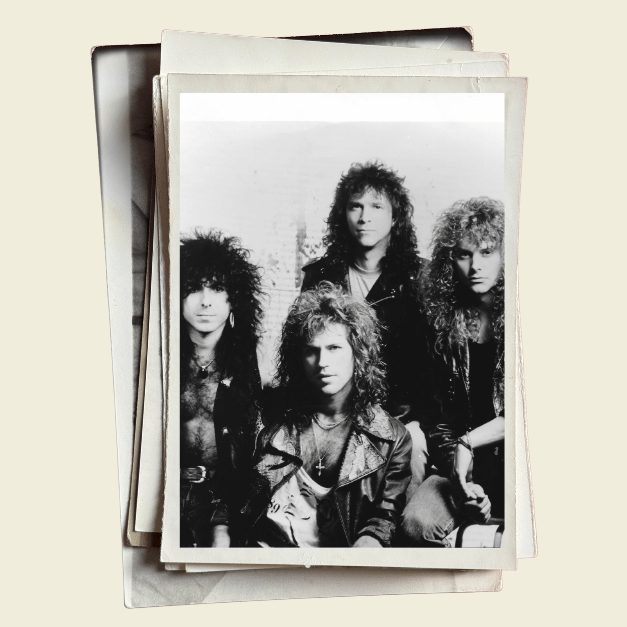
Winger - 1988
72/150
Denver native Kip Winger’s chiseled good looks are seen on MTV, and his band Winger’s self-titled debut album of stylish pop-metal is certified platinum for one million sales.
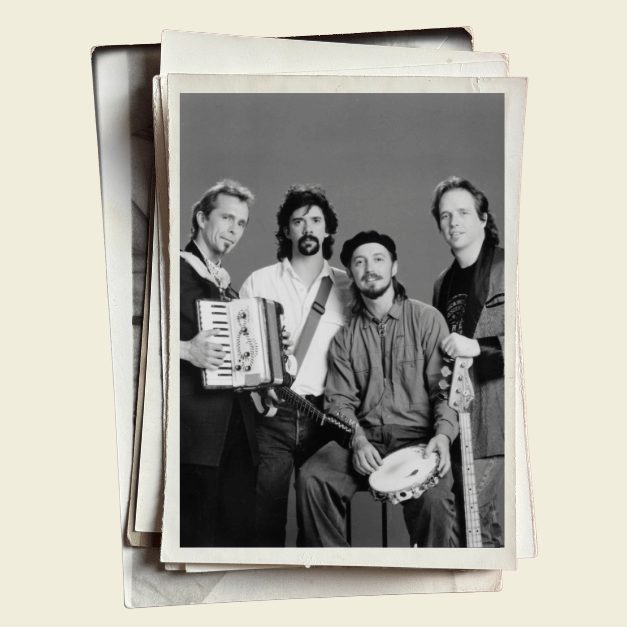
The Subdudes - 1988
73/150
The Subdudes’ stint in Colorado kicks off the Americana genre before the term becomes clichéd; Atlantic Records signs the foursome at an official ceremony in Governor Roy Romer’s office.
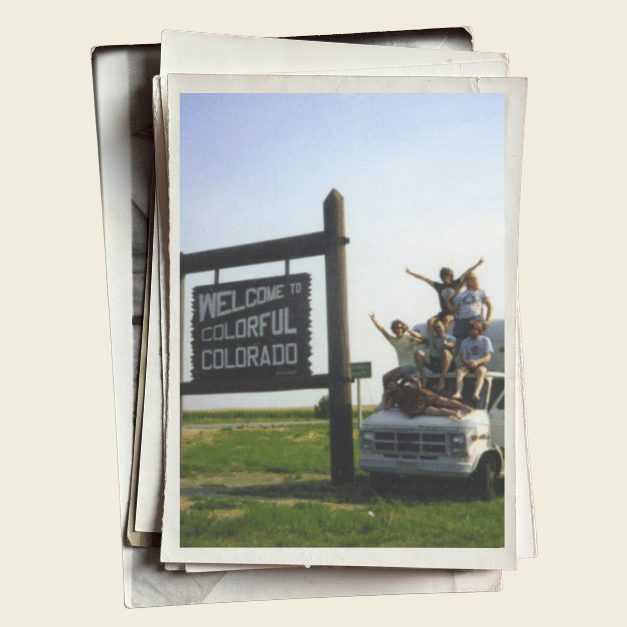
Phish - 1988
74/150
The determinedly eccentric Vermont quartet Phish drives cross-country on its first real road trip as a band and plays its inaugural shows outside of New England—in Colorado.
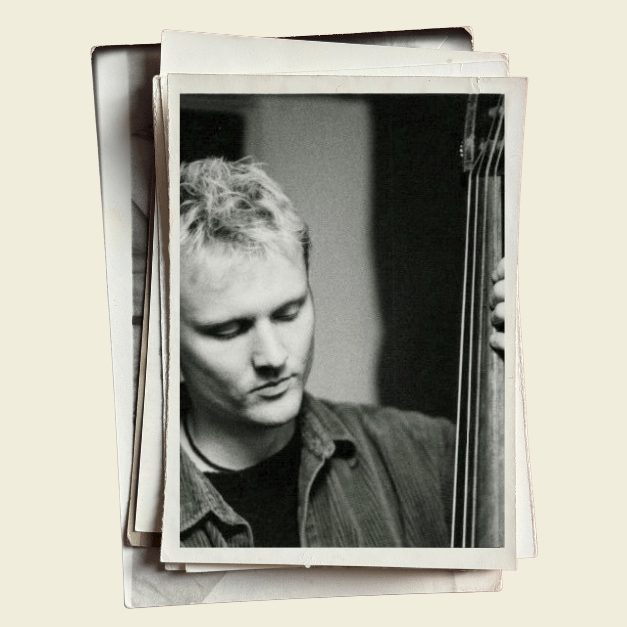
Medeski Martin & Wood - 1988
75/150
Chris Wood is voted “Most Musical” by his senior class of Boulder High School and, after graduating, heads to the East Coast to form Medeski Martin & Wood, one of America’s hottest instrumental groove bands and a surprising pop phenomenon.
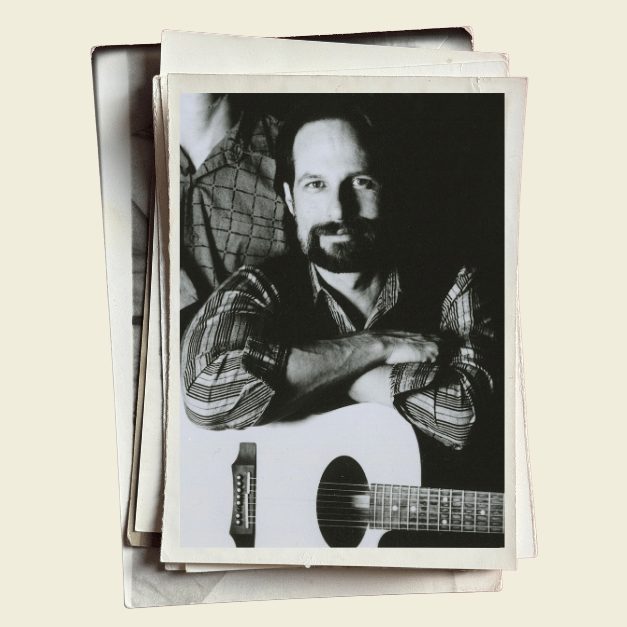
Wind Machine - 1990
76/150
Proud to live in Louisville, Colorado, the bandmates in Wind Machine reach the Top 5 in the major new adult contemporary and related radio airplay charts with Road to Freedom.
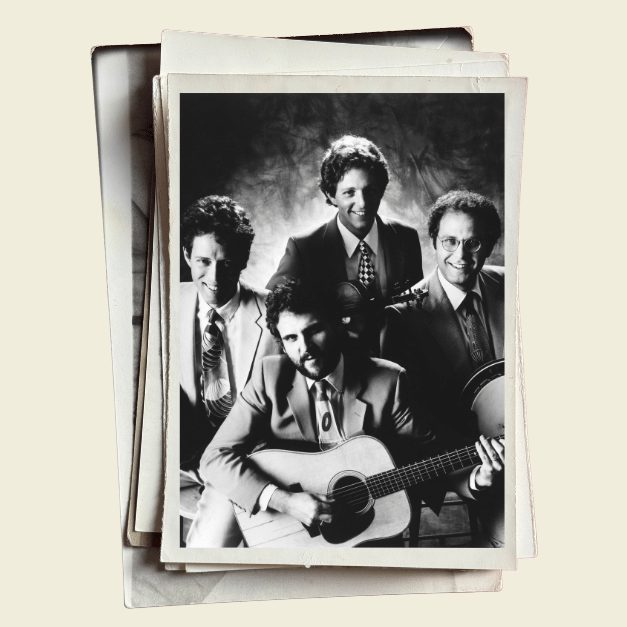
Hot Rize - 1990
77/150
The talented, innovative Hot Rize records the Grammy-nominated Take It Home, not only inspiring artist within the progressive bluegrass genre but also fueling the rise of the Colorado jam-band scene.
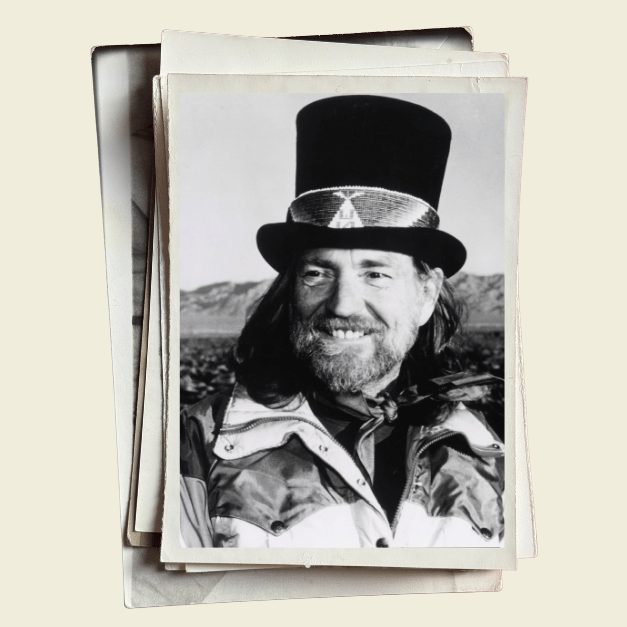
Willie Nelson - 1990
78/150
Venerable country singer Willie Nelson maintains a mountain home in Evergreen, Colorado, until it is seized by IRS agents who nab him for $16.7 million in “unpaid back taxes” for the years 1975 through 1982.
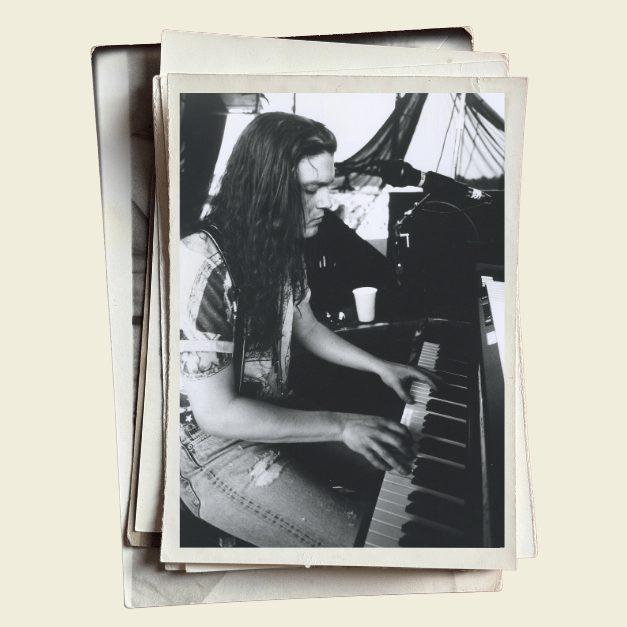
Guns N' Roses - 1990
79/150
Known from his performances in Colorado with local bands like Bootleg and Gauntlet, keyboardist Dizzy Reed is recruited by Guns N’ Roses to give some additional color to their sound.
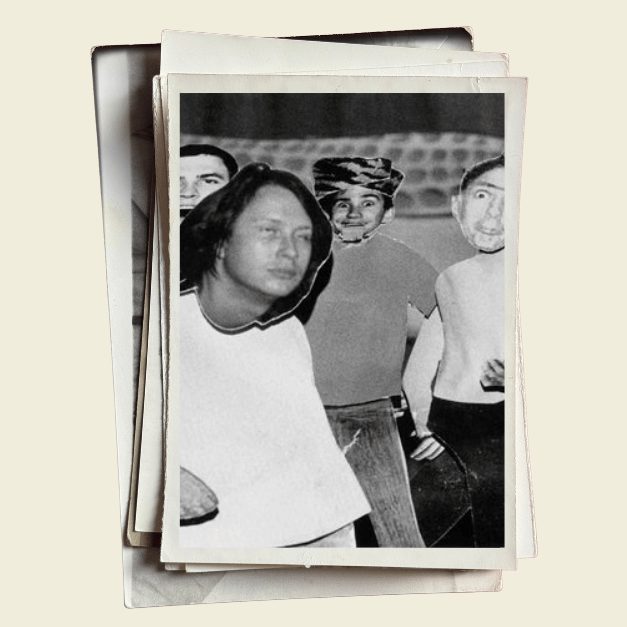
Warlock Pinchers - 1991
80/150
The Denver-based musical pranksters Warlock Pinchers record a hard-core punk-rap song, “Morrissey Rides a Cockhorse,” a minor U.K. indie hit satirizing the flightiness and outrageously neurotic fantasies of the former lead singer of the Smiths.
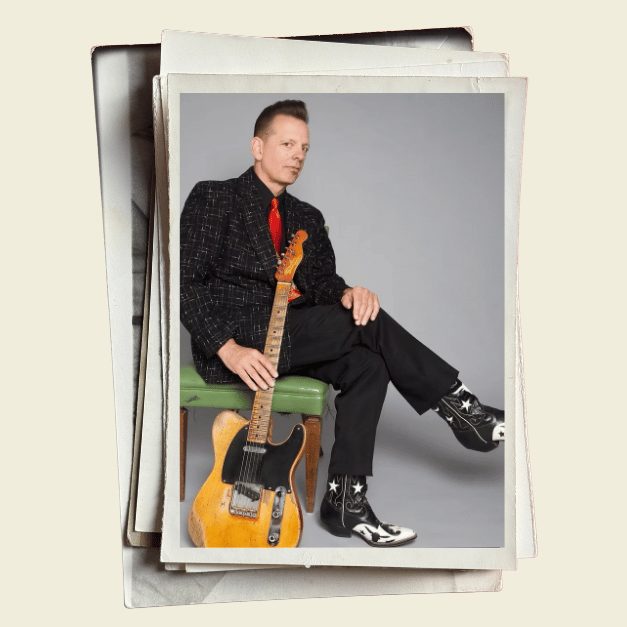
Jinx Jones - 1992
81/150
Jinx Jones, who grew up in Colorado and was ubiquitous in the original music scene, is recruited to play everything but the drum machine on “Free Your Mind,” one of En Vogue’s biggest smashes.
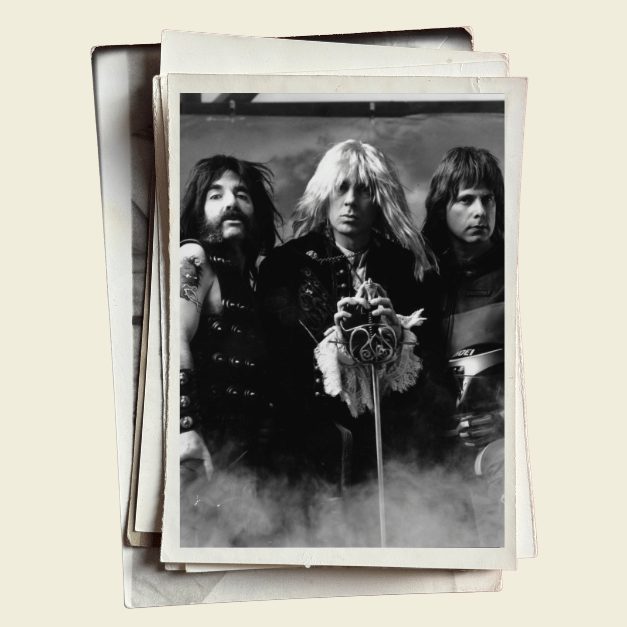
Spinal Tap - 1992
82/150
A tour celebrating Spinal Tap’s 25-year reunion opens at the Air Force Academy’s Arnold Hall in Colorado Springs (in the 1984 “mockumentary” This is Spinal Tap, the band was mistakenly booked at an Air Force base).
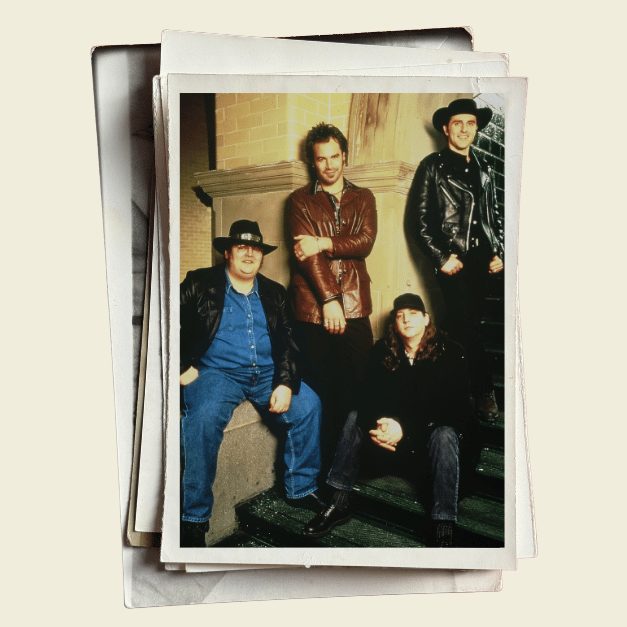
Blues Traveler - 1992
83/150
Devotees follow Blues Traveler to Colorado, where the New York-based blues-rock quartet opens for the Allman Brothers Band, marking the beginning of the group’s tradition of Fourth of July dates at Red Rocks Amphitheatre.
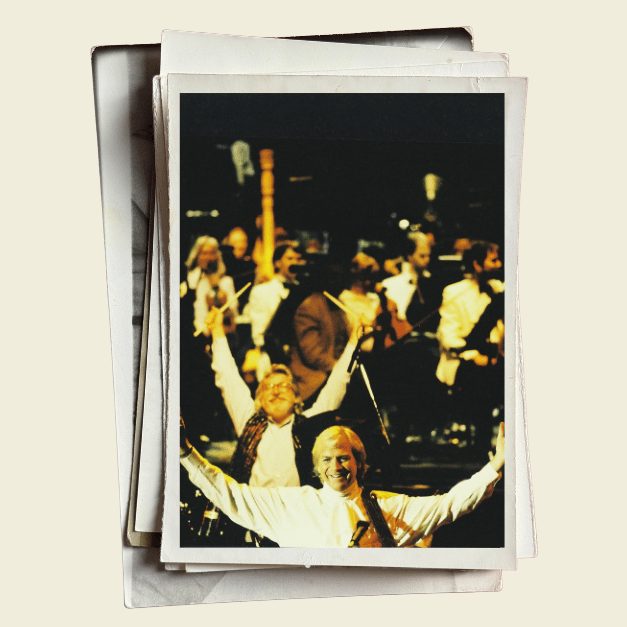
The Moody Blues - 1992
84/150
The Moody Blues bring the majesty of their studio sound to the stage for the first time, recording a live album and television special, A Night at Red Rocks with the Colorado Symphony Orchestra.
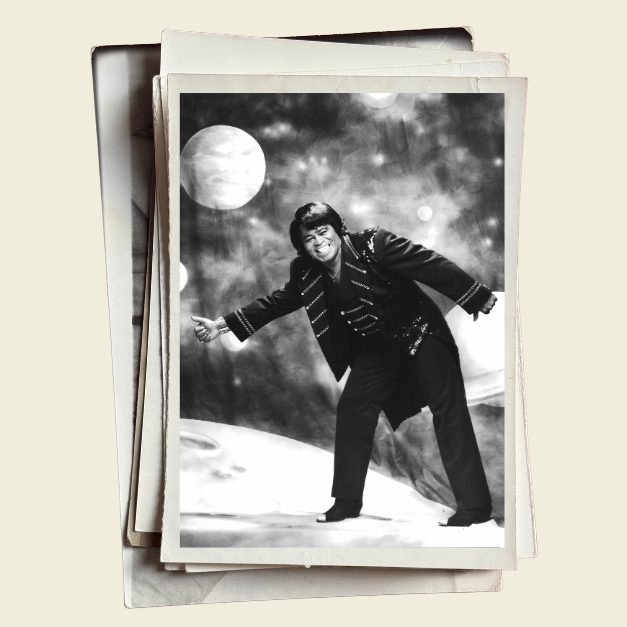
James Brown - 1993
85/150
The residents of Steamboat Springs vote and overwhelmingly select a name for an otherwise unnoticeable highway bridge north of the Colorado mountain town, “The James Brown Soul Center of the Universe Bridge.”
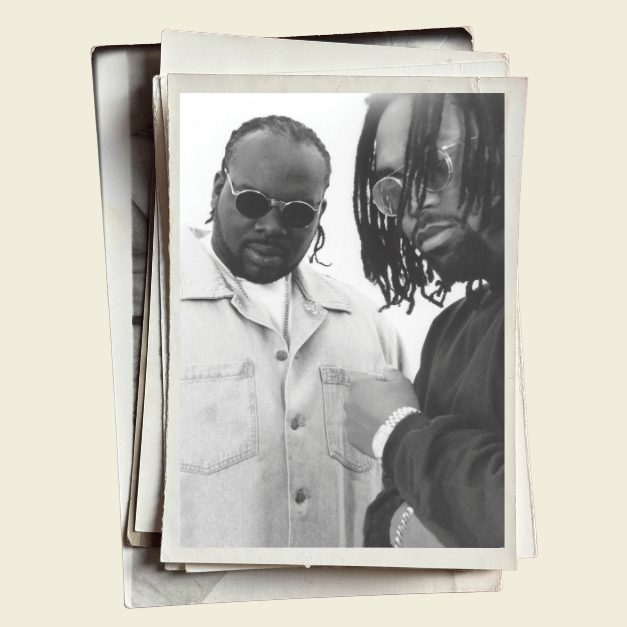
Tag Team - 1993
86/150
Having met while attending Manual High School during the early ’80s, Tag Team—partners Cecil “DC” Glenn and Steve “Roll’n” Gibson—catch fire with “Whoomp! (There It Is),” becoming a pop culture phenomenon.
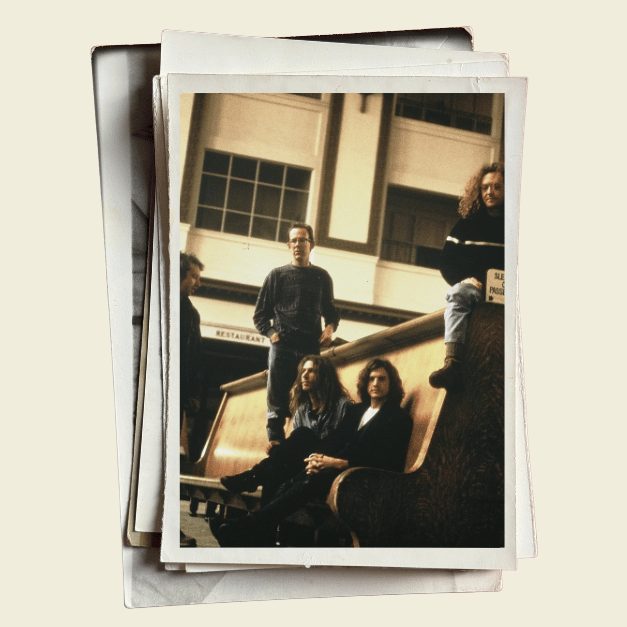
The Fluid - 1993
87/150
The Fluid, rooted in Denver’s early ‘80s hardcore punk scene, captures a wonderful, ugly roar on Purplemetalflakemusic, a debut on Hollywood Records, a Disney-backed label.
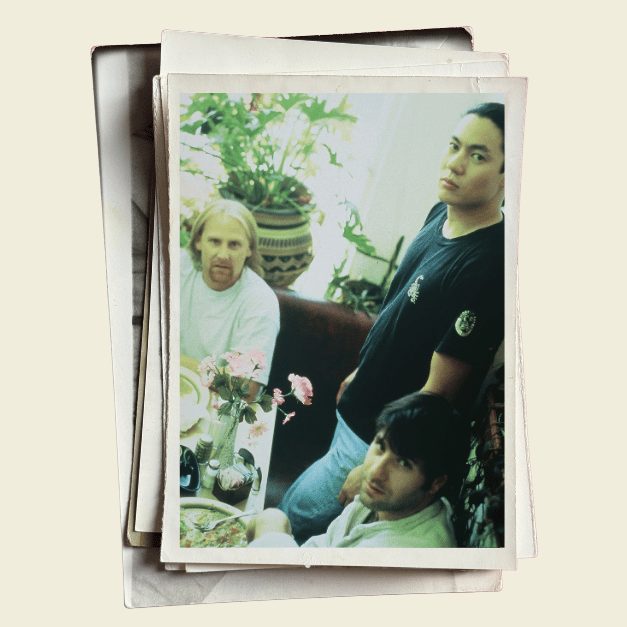
Big Head Todd & the Monsters - 1993
88/150
Listeners across the country catch on to what Colorado already knows, as tracks like “Broken Hearted Savior,” “Circle” and “Bittersweet” make Big Head Todd & the Monsters’s Sister Sweetly the eighth most-played album on rock radio.
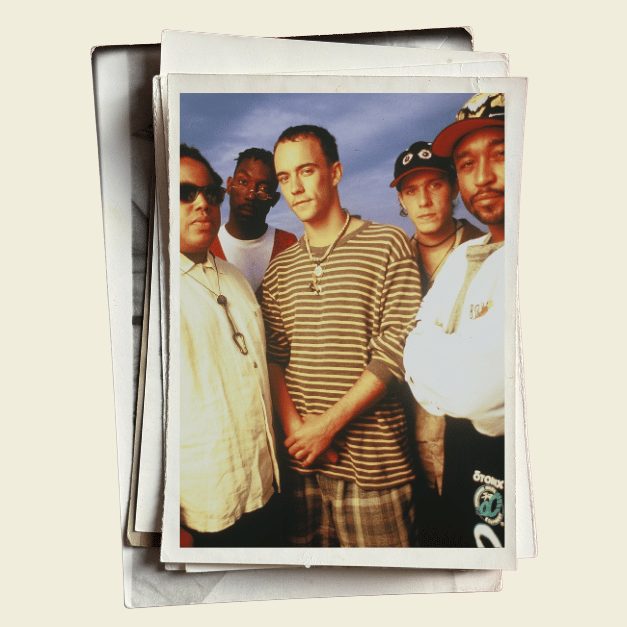
Dave Matthews Band - 1994
89/150
Dave Matthews Band choose to film the video for “What Would You Say,” the group’s first smash, at three sold-out shows at the Fox Theatre in Boulder.
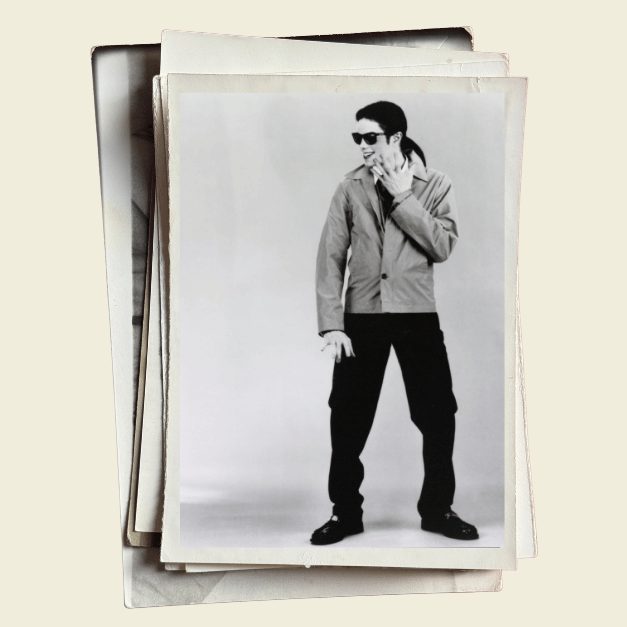
Michael Jackson - 1995
90/150
A songwriter files her lawsuit in federal court in Denver against pop superstar Michael Jackson; who captures the attention of court spectators and possibly boosts his defense by breaking into song. The jury rules that Jackson hadn’t swiped her tune.