Colorado’s music scene thrived in the ’90s. Here’s a look back at some beloved acts.
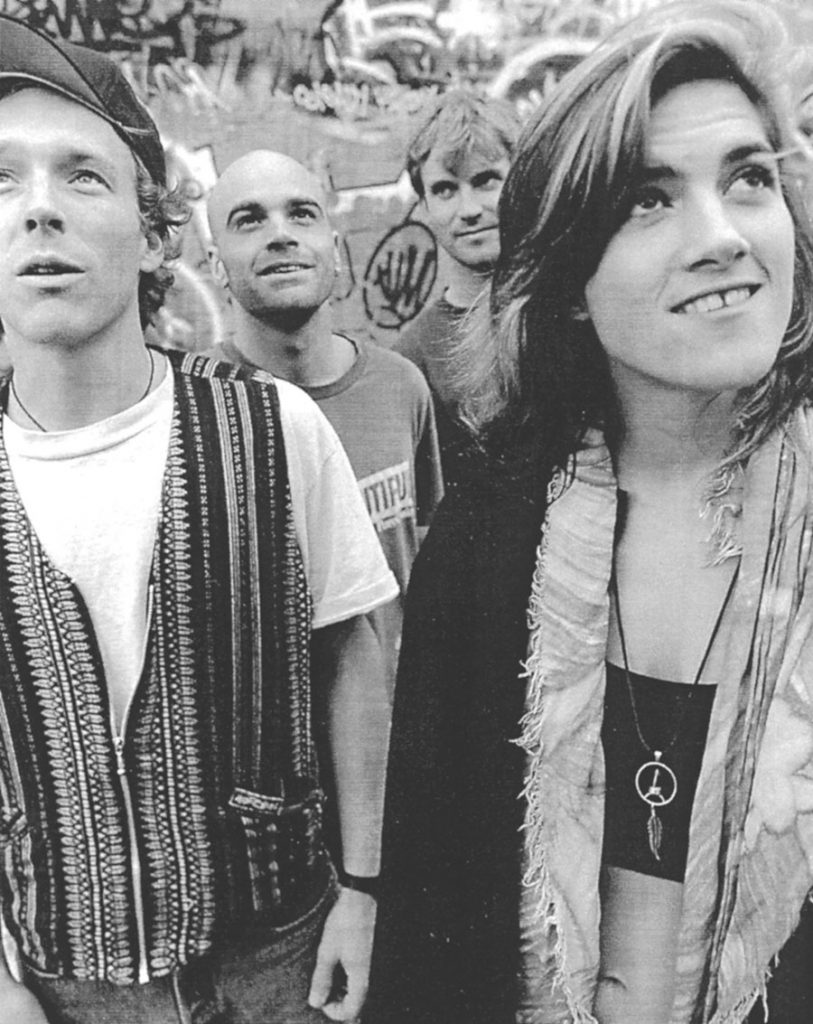
Acoustic Junction, with Reed Foehl as the prominent voice, attracted as many fans as any other unsigned band in the country, packing shows in the members’ hometowns of Boulder and Boston, and from San Francisco to New York City.
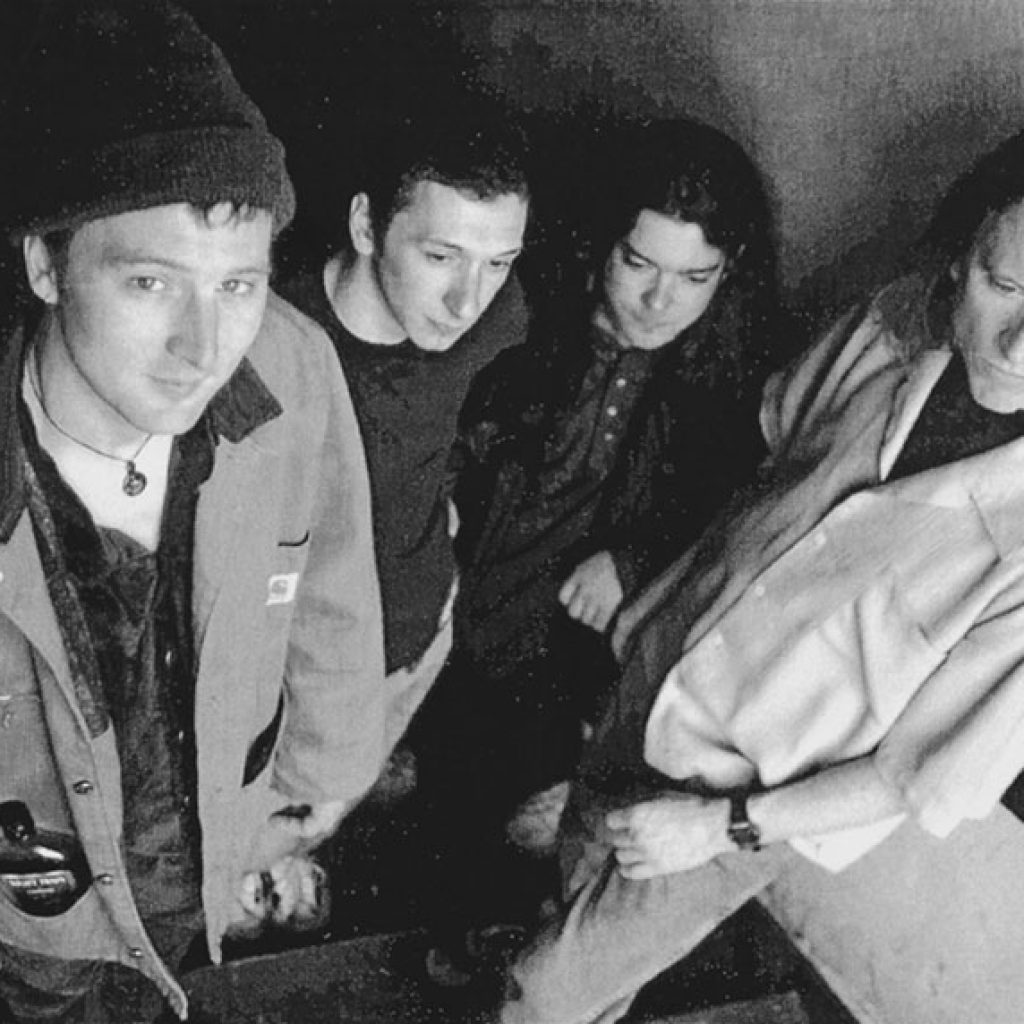
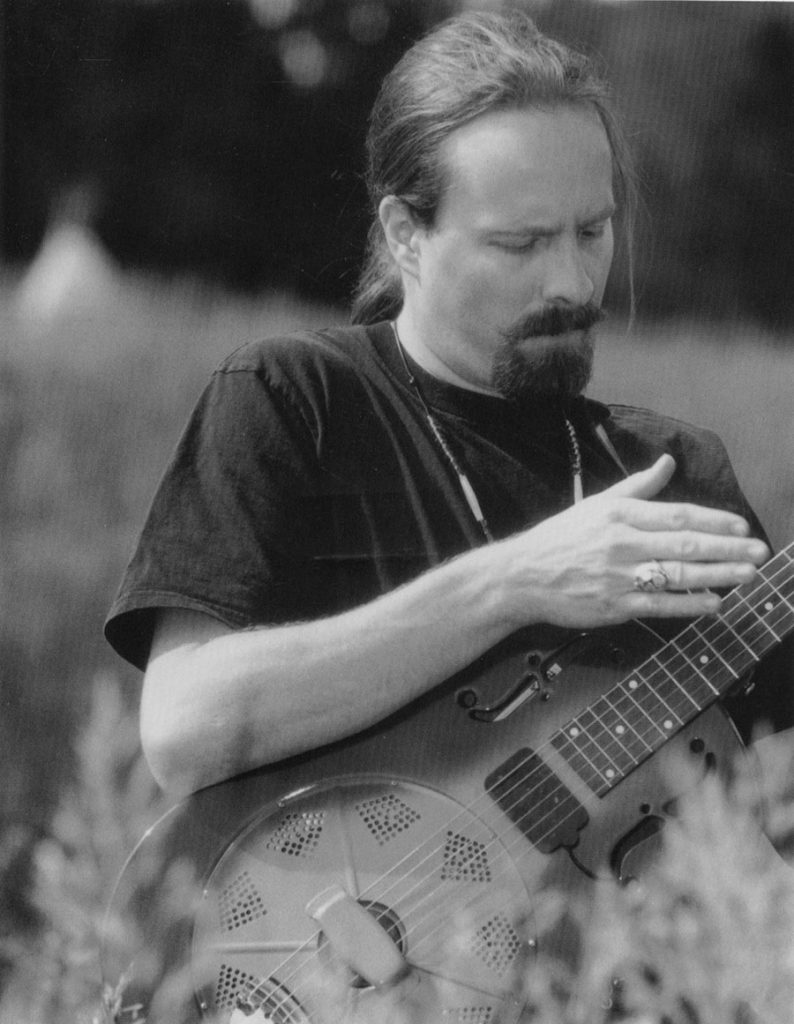
After tours across America and Europe, fingerstyle blues guitarist Ben Stevens came home to Boulder with Reservation Blues, a debut solo album expressing his visions and reflections produced by bluegrass legend Charles Sawtelle.
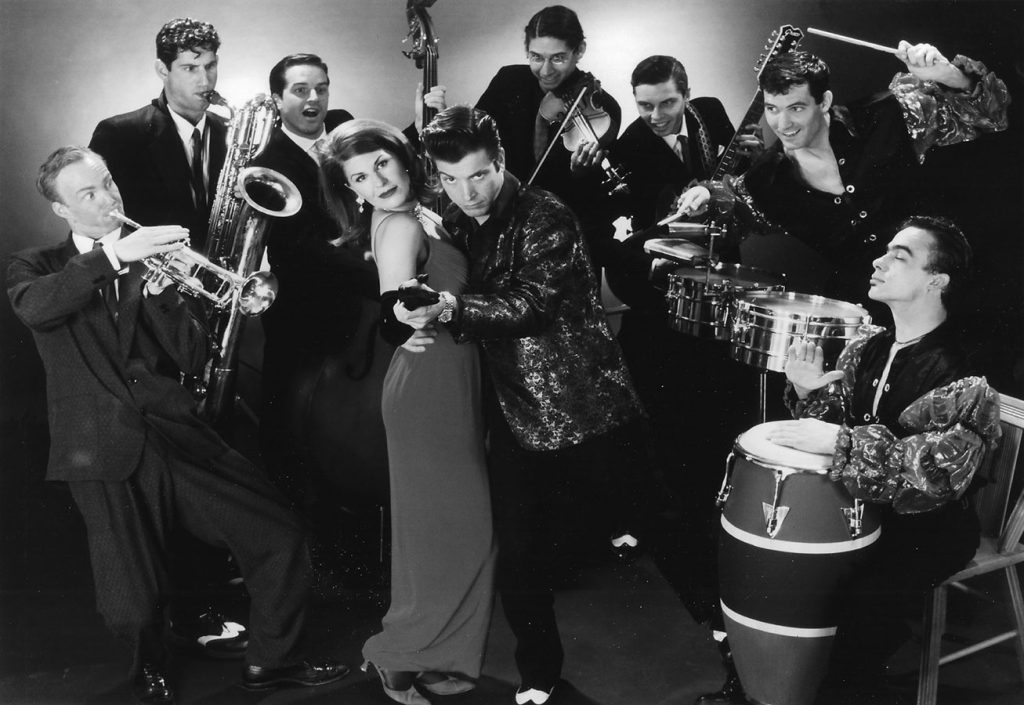
Cabaret Diosa blossomed into Colorado’s premier dance act—onstage, the ensemble portrayed comedic characters from a fictional Cuban big band of the late ’50s, an extravaganza involving theatrics and “hi-fi Latin exotica.”
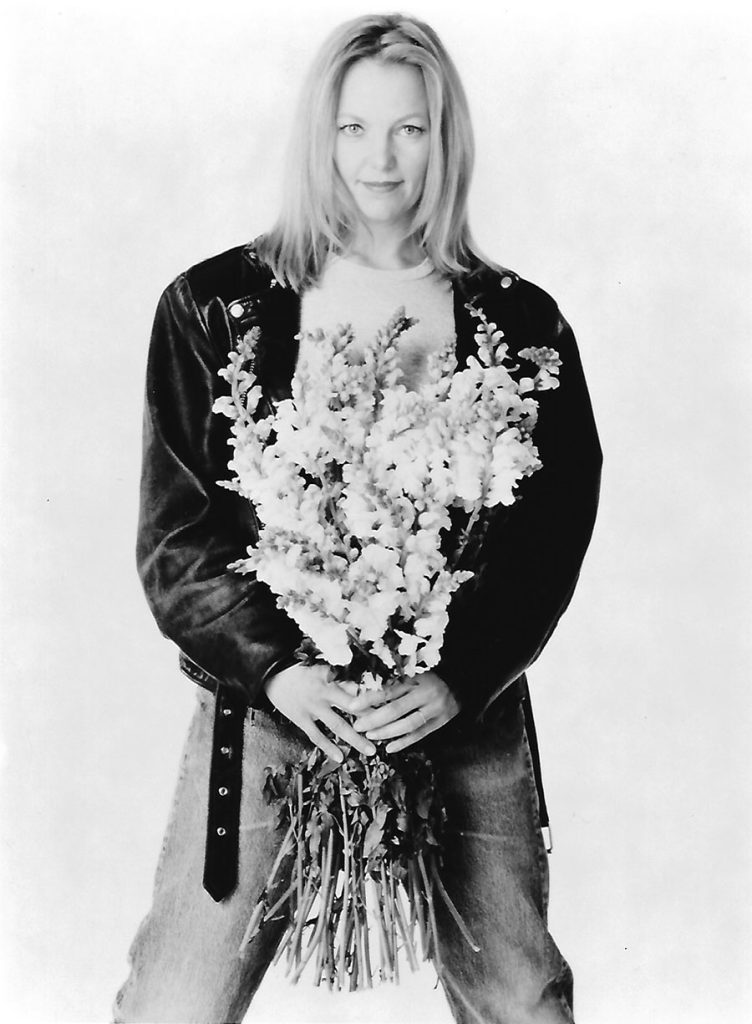
Settling in Denver in 1990, Celeste Krenz found a community that took songwriting seriously. Her second album, Slow Burning Flame, produced by Tim O’Brien and Bob Tyler, rose to #11 on the Gavin Report’s Americana music chart.
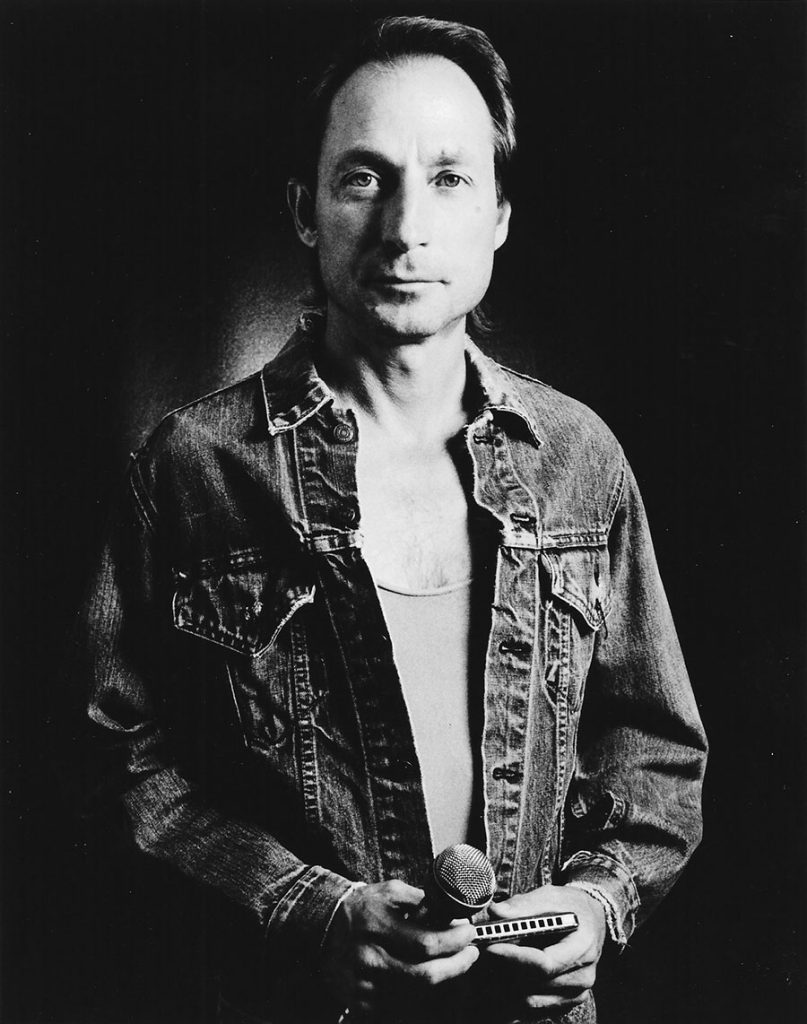
Harmonica virtuoso Clay Kirkland realized his vision of combining blues and orchestral styles with “Brahms in Blue,” morphing the slow movement of Johannes Brahms’ Third Symphony into a Muddy Waters song titled “Still a Fool.”
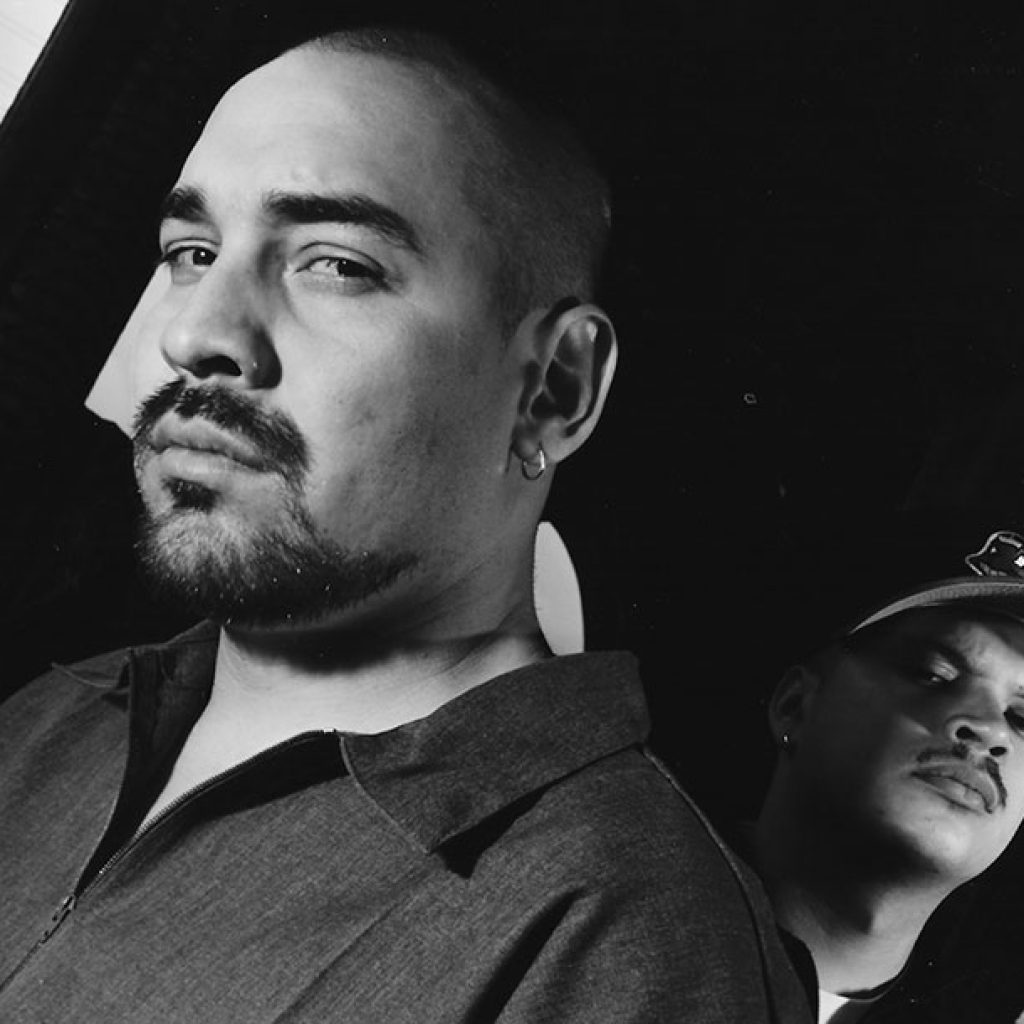
Deuce Mob, a hardcore rap duo of Denver natives DJ Fame and Pauli P, emerged from the city’s underground street scene, releasing “I Got the Boom” and flying to Los Angeles to record and collaborate with producers.
A two-piece industrial band, Foreskin 500 released Mustache Ride, Manpussy and Starbent but Superfreaked, the latter two albums on L.A.-based hip-hop label Priority Records; the single “Superfamily” featured singer Erica Brown.
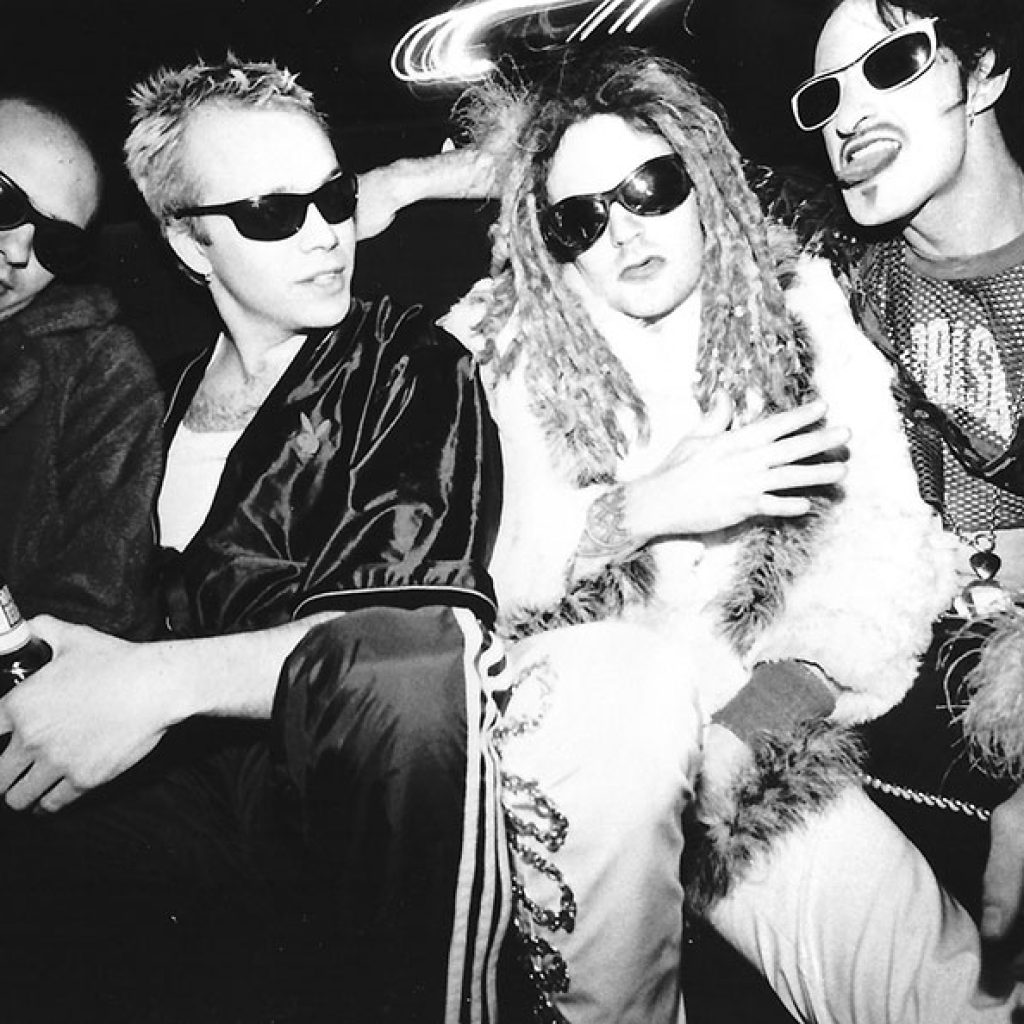
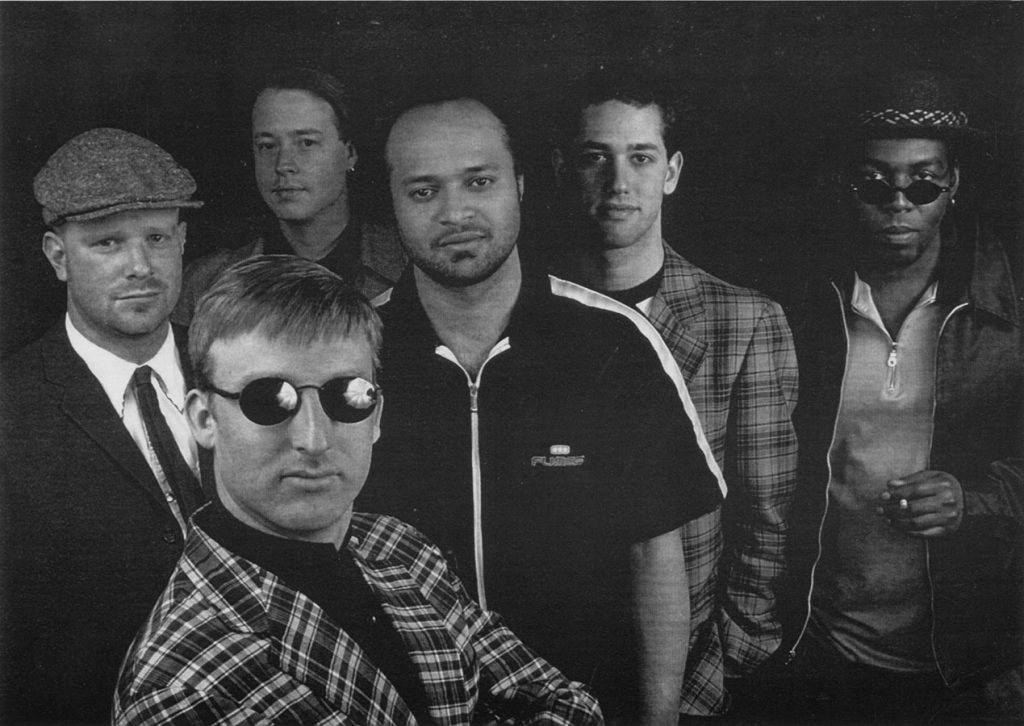
Paying tribute to the British 2-Tone movement of the early ’80s and the original jazz-laced ’60s ska of Jamaica (a predecessor to reggae), Judge Roughneck took Colorado by storm, earning the privilege to open for national acts.
Surfacing from the blue-collar grit and defiance of the Denver underground, King Rat, fronted by Luke Schmaltz, espoused a brand of melodic punk rock, flipping off conformity and building a decades-long legacy.
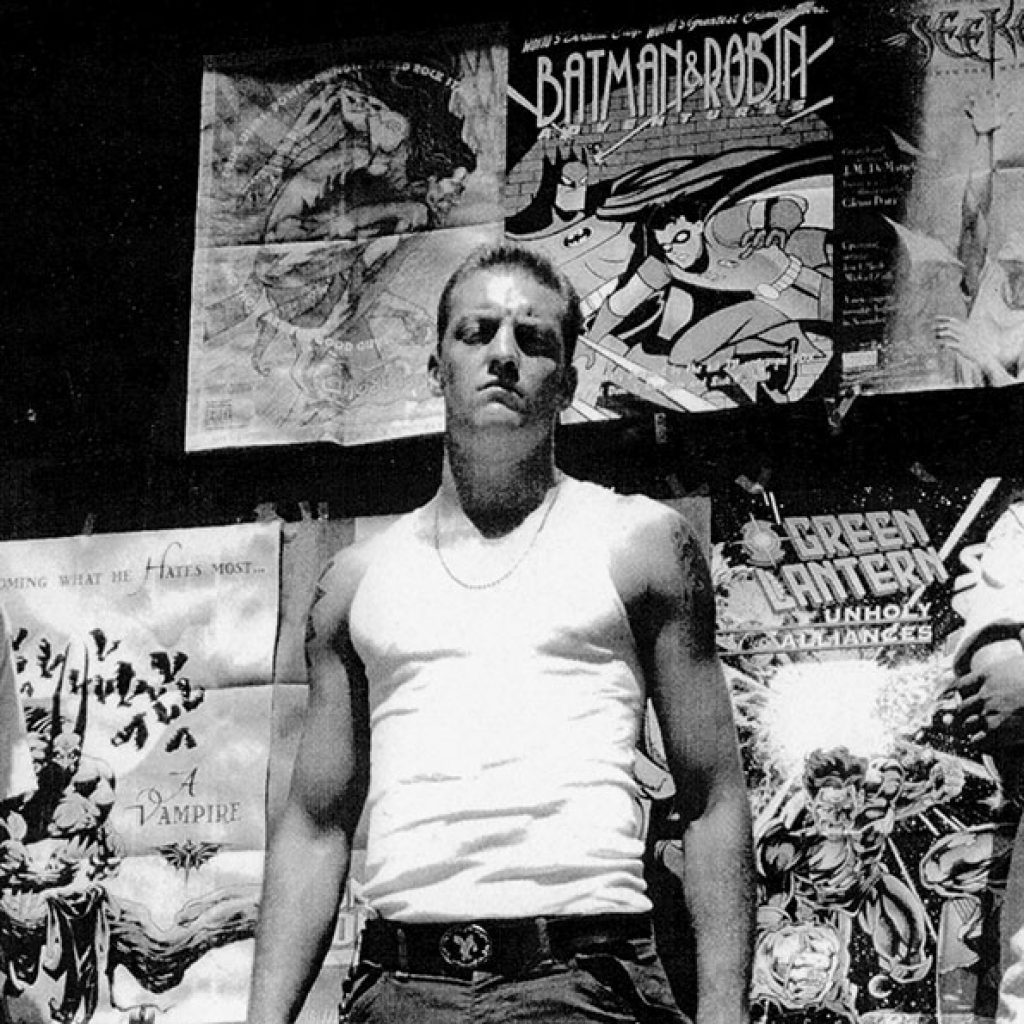
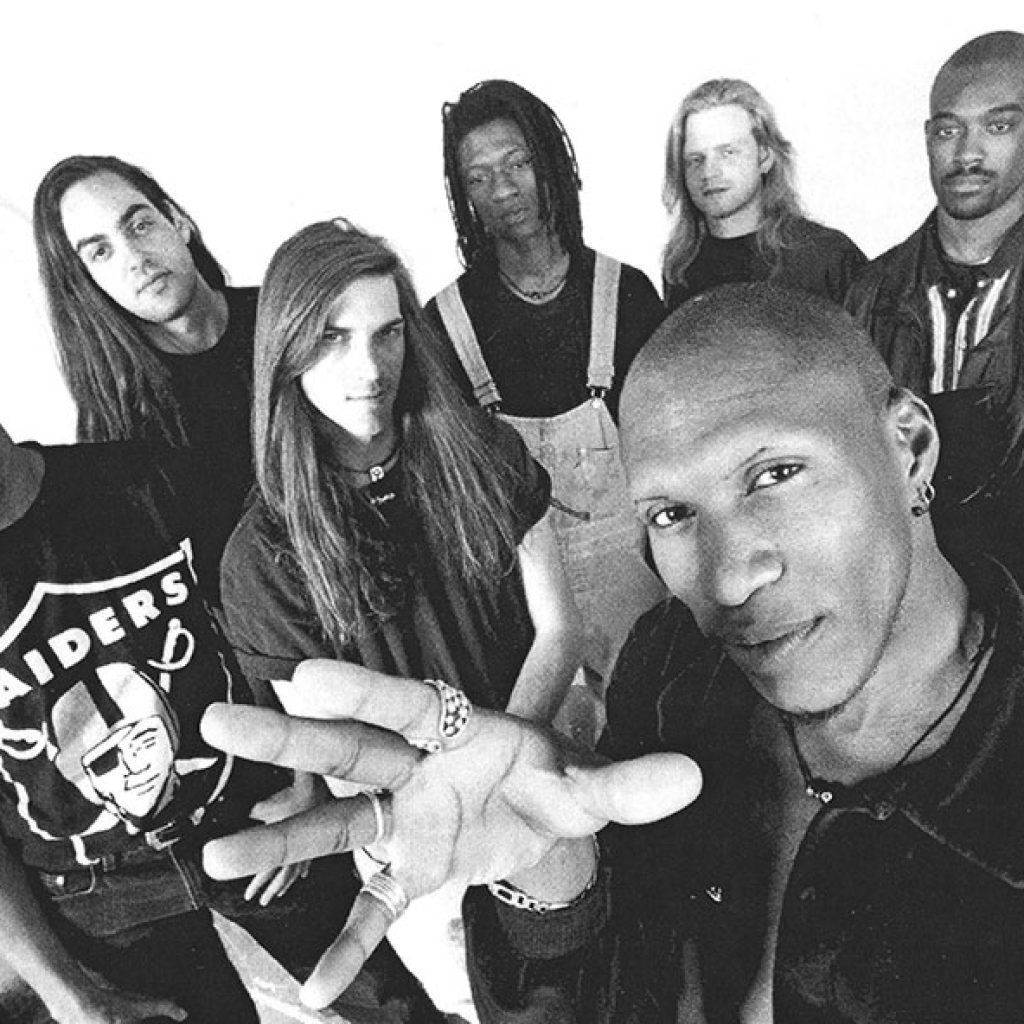
An interracial group fronted by the dynamic Theo Smith, Lord of Word & the Disciples of Bass combined positive messages with bass-fueled grooves and exciting dance steps—a fusion of rock, hip-hop, funk and pop.
Stomping out rockin’ and rootsy “barn rock and drunkytonk,” Marty Jones & the Pork Boilin’ Po’ Boys were fronted by a laureate of boozed-up Americana, who also served as an acclaimed ambassador for the state’s craft beer scene.
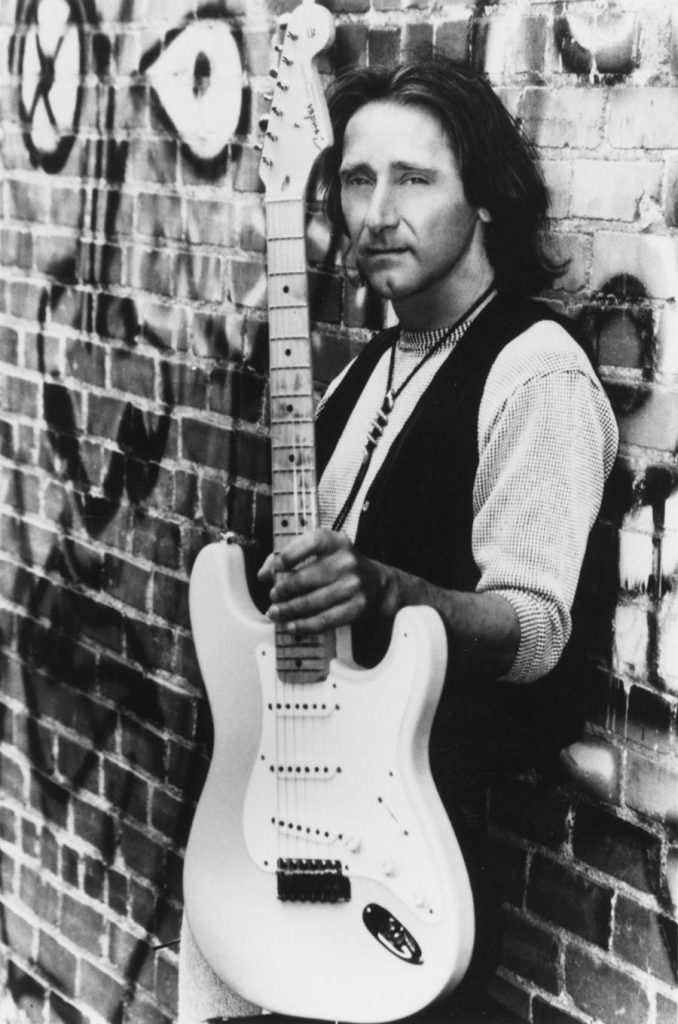
A formidable guitarist who showcased some of the finest players in the Rocky Mountain area, Michael Reese combined the inventiveness of progressive jazz, the passion of blues and the energy of rock to shape engaging instrumentals.
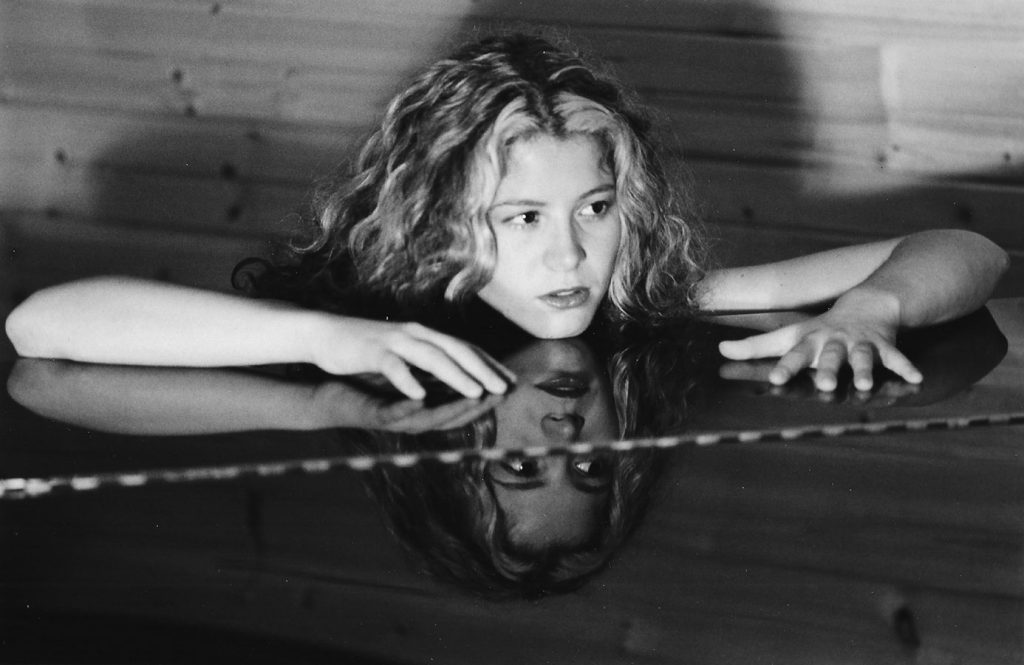
Using Colorado as her home base, multifaceted singer-songwriter Nina Storey began a long musical career by releasing studio albums, being seen and heard in films and commercials and opening for nationally acclaimed artists.
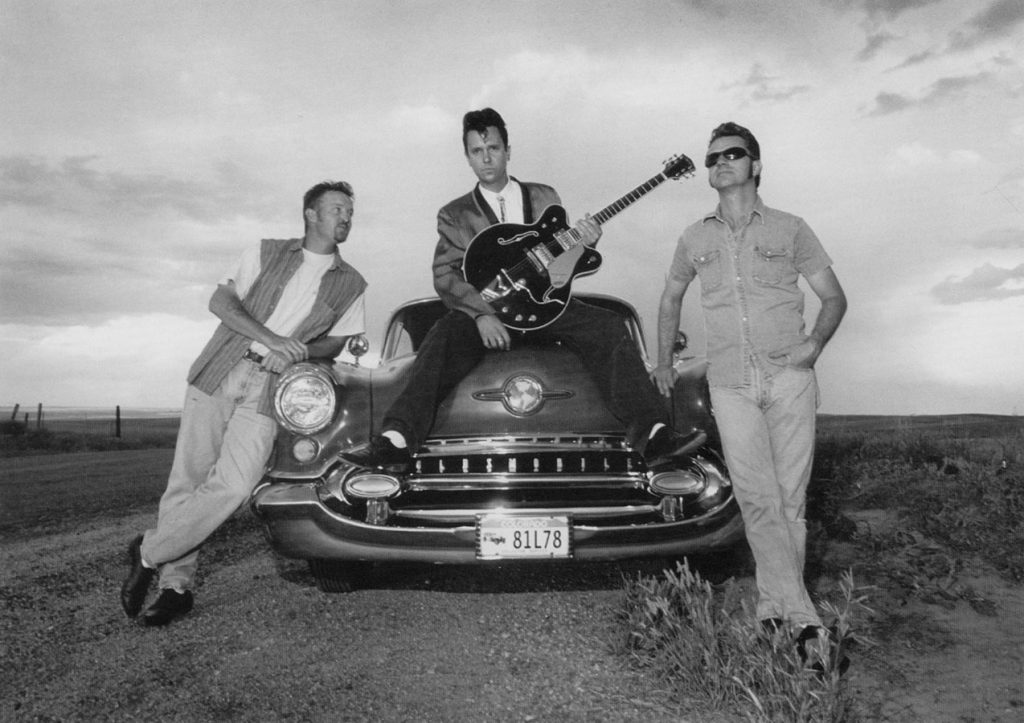
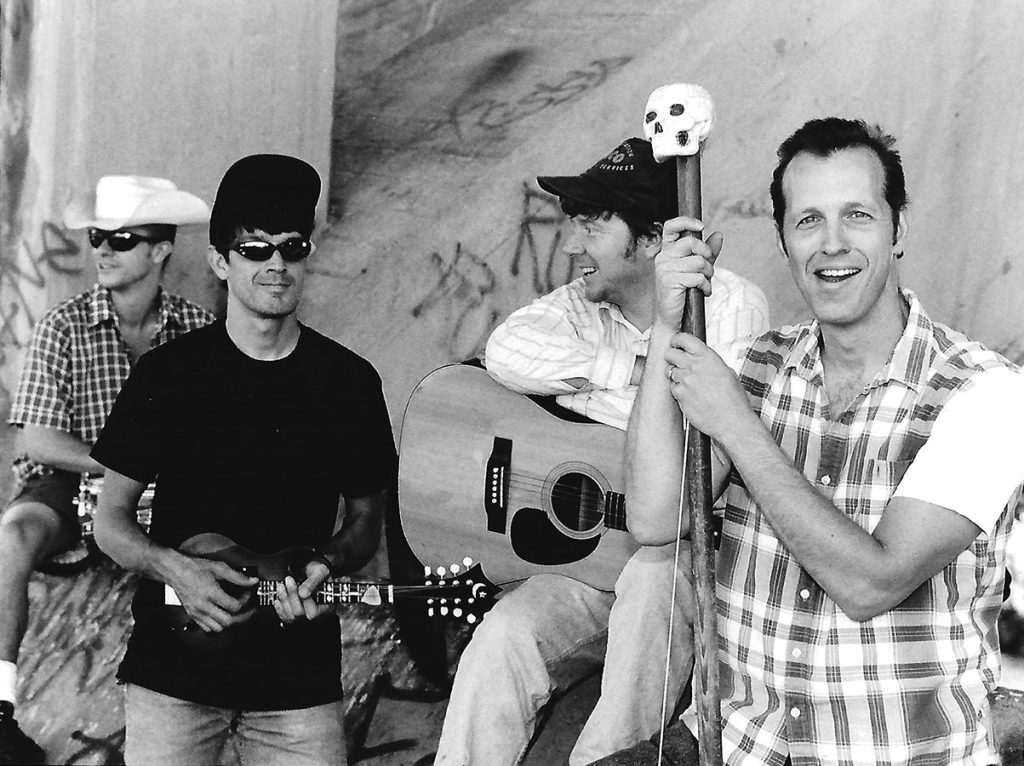
A combo serving up a mix of screaming rockabilly and blazing instrumental surf guitar, Paul Galaxy & the Galactix greased up and performed “songs about chicks and cars” around the US, serving up three albums along the way.
The daughter of singer-songwriters James Taylor and Carly Simon, Sally Taylor toured throughout the US with her five-piece Colorado-based band and released a debut album, Tomboy Bride, with the help of her co-producer Wendy Woo.
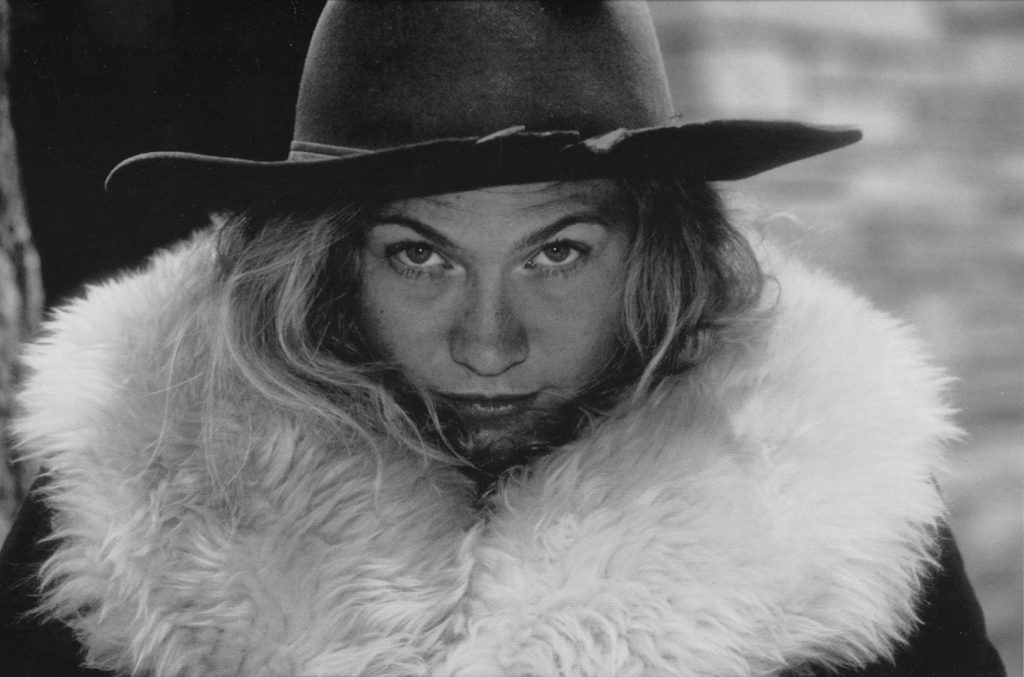
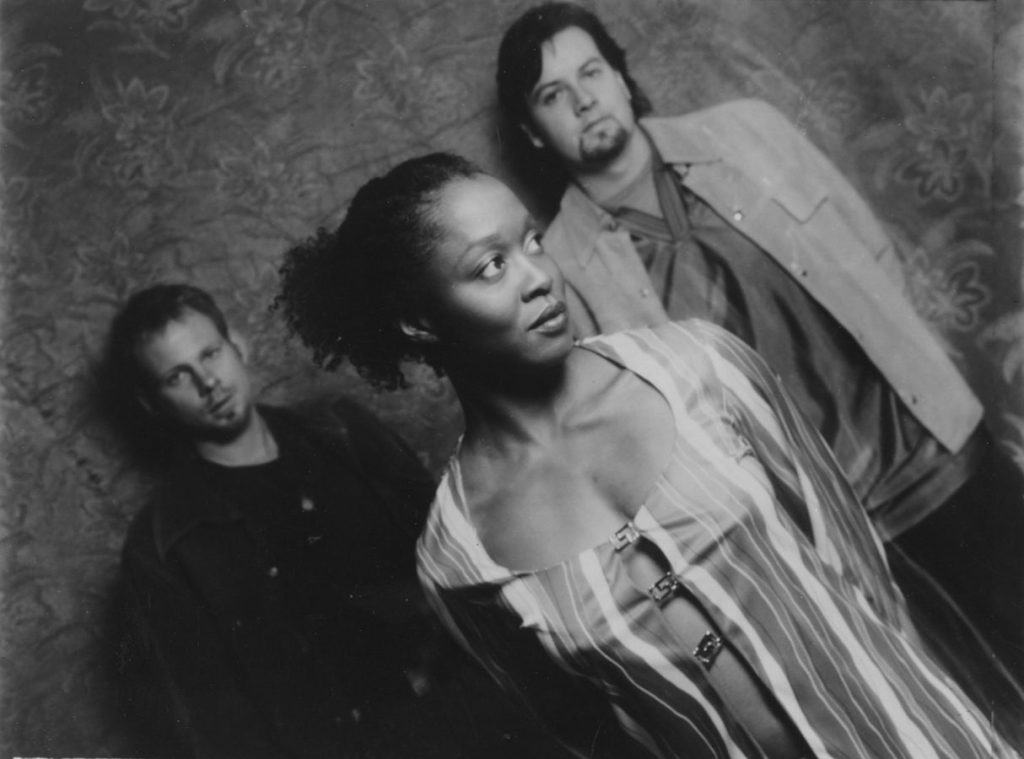
Denver native Sherri Jackson separated from Boulder-based Band du Jour and embarked on a solo career, wowing the local music community (and Los Lobos’ Steve Berlin) with her mesmerizing vocals and talent on guitar and violin.
Slim Cessna’s Auto Club raucously hammered out original tunes in the spirit of their great country & western forebearers, with the golden-toothed Cessna usually performing frontman duties onstage in a cowboy suit.
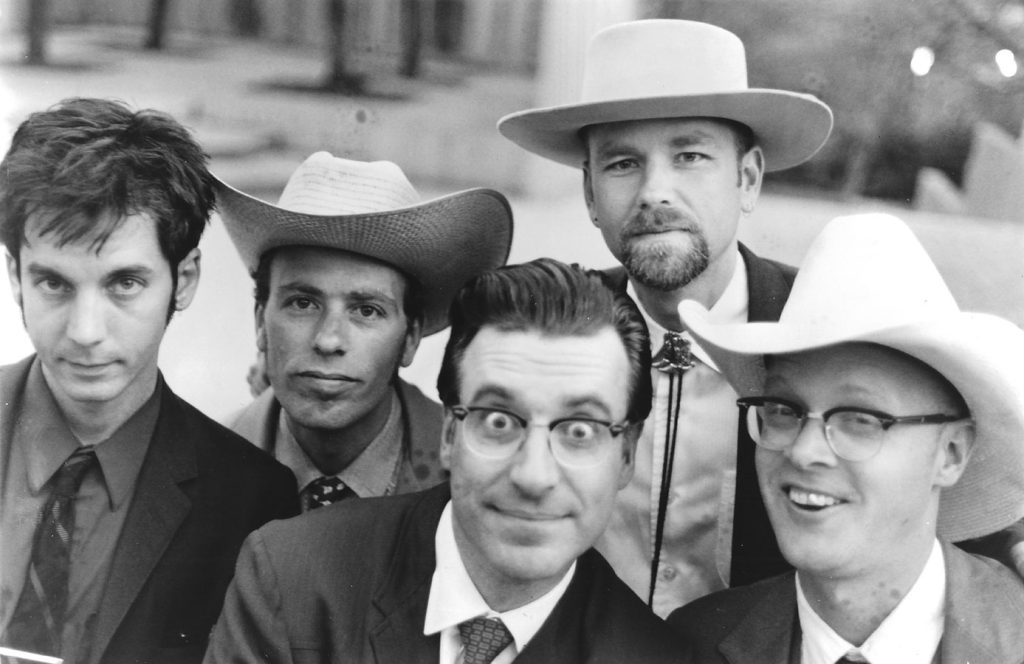
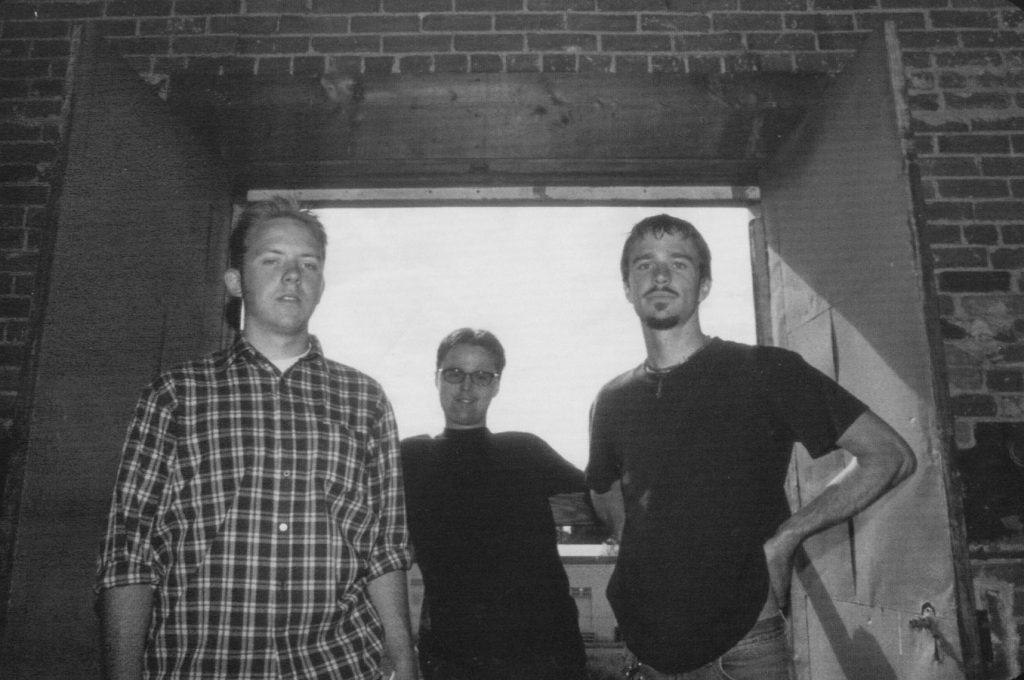
Someday I, an aggressive post-punk three-piece from Fort Collins, grabbed the attention of Owned & Operated Records, run by members of Descendents and labelmates All, and released a debut album, Look Up and Live.
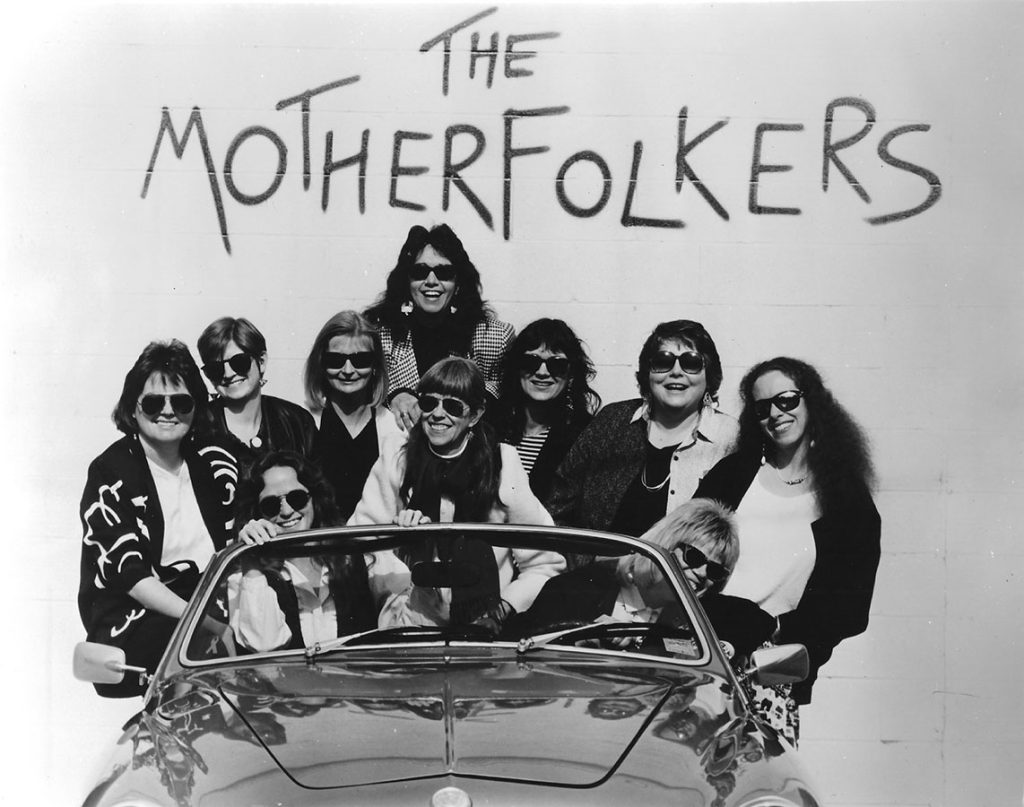
The Mother Folkers performed concerts featuring various combinations of women musicians living along the Front Range of Colorado, from Denver to Nederland to north of Fort Collins, presenting a wide range of musical styles.
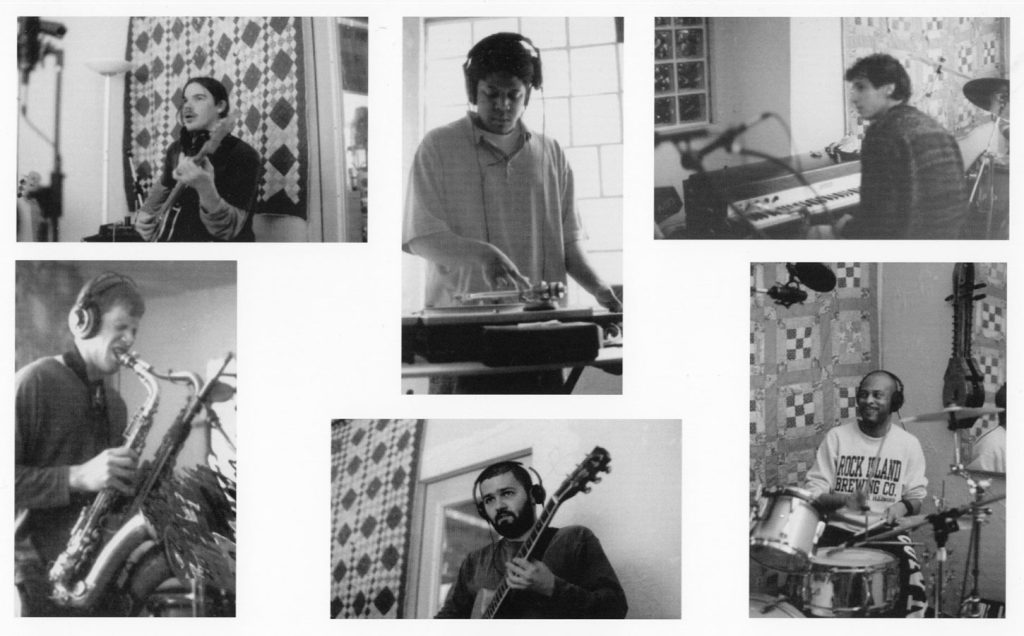
The United Dope Front, a music collective formed in the late ’90s by players in the Denver-Boulder area with backgrounds in jazz, hip-hop, rock and soul, established themselves as first-rate purveyors of acid jazz.
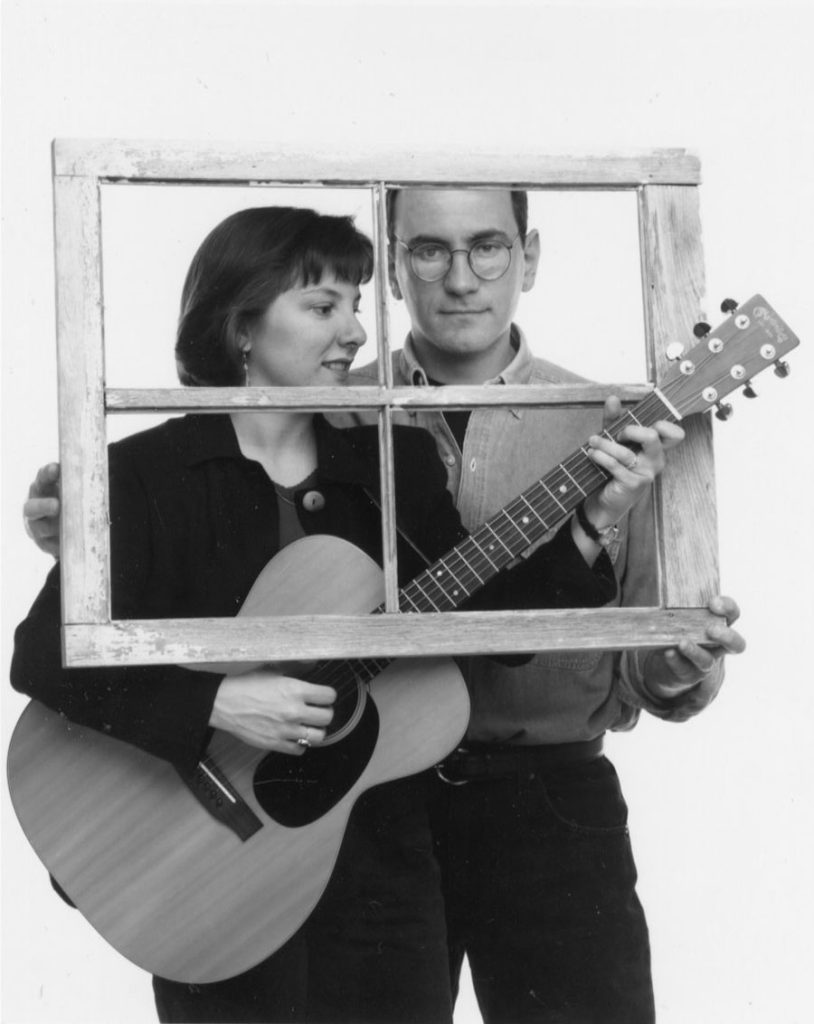
The Winstons—the married duo of acoustic singer-songwriters Andy and Cheryl Winston—relocated to Boulder and committed themselves to music, leading to Vignettes, a project gaining them national exposure on folk radio.
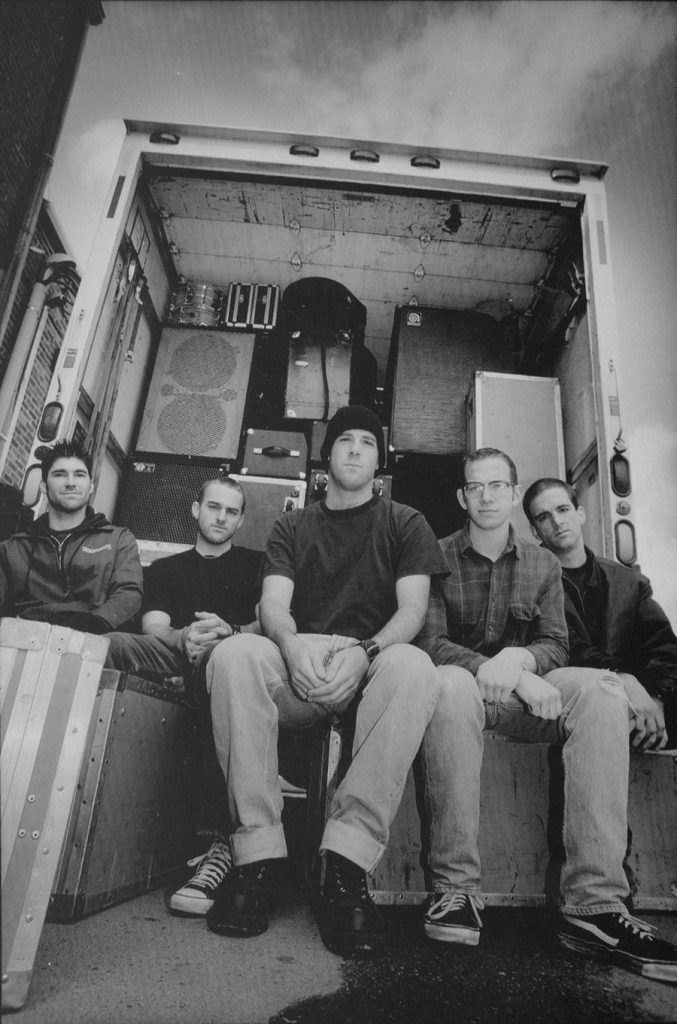
A Fort Collins-based punk quintet, Wretch Like Me and drummer Jason Livermore were closely tied to the Blasting Room, a recording studio operated by prominent drummer and songwriter Bill Stevenson (Descendents, Black Flag, All).
Liza Oxnard and her band Zuba translated extensive touring into songs featured on the soundtracks to movies directed by the Farrelly Brothers—the cult hit Kingpin and There’s Something About Mary, a major box office success.