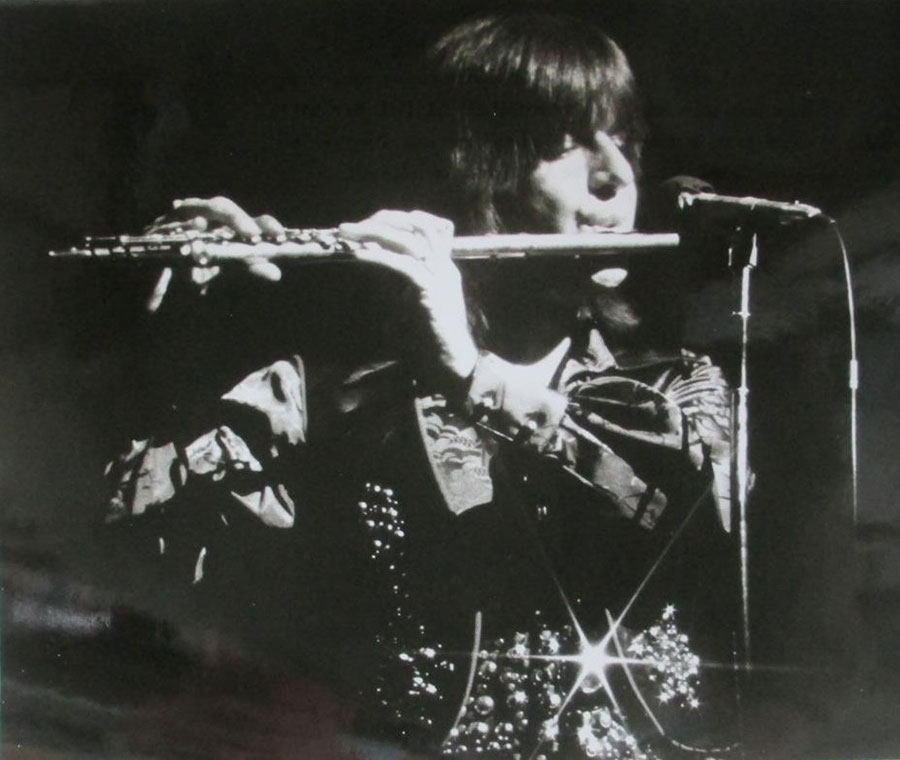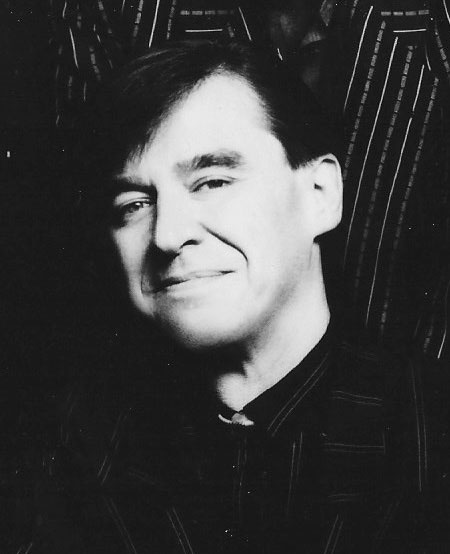
Walter Parazaider, a founding member of Chicago who played sax and flute, died on June 17, 2026, after a long battle with Alzheimer’s disease. He was 81.
Parazaider was with Chicago from its start in 1967, forming the nucleus of the band with drummer Danny Seraphine and helping pioneer its signature horn-driven sound. In the ’70s, the group packed up and headed to Caribou Ranch, the legendary recording complex five minutes outside of Nederland, Colorado, owned by Chicago’s producer, James William Guercio. The elite retreat had the look of a well-maintained dude ranch, and its idyllic mountain setting became the rage among top stars who reasoned it would be nice to record outside the usual Los Angeles or New York circles. Chicago recorded five consecutive studio albums there, starting with Chicago VI and ending with Chicago XI, and the iconic hits “If You Leave Me Now,” “Wishing You Were Here,” “Just You ’N’ Me” and “Feelin’ Stronger Every Day.”
The situation with Guercio eventually deteriorated, but business still boomed for the seven-piece unit in the ’80s with the hits “Hard to Say I’m Sorry,” “Stay the Night,” “Hard Habit to Break” and “You’re the Inspiration.” The effusive Parazaider cited two factors to the band’s staying power—the production skills of David Foster, whose prior credits included work with Hall & Oates and Earth, Wind & Fire, and the recruitment of singer-keyboardist Bill Champlin.
“We’re real proud that we’ve been a viable act through the late ’60s and ’70s, and now the ’80s. And David Foster has been a big part of that. He sat us down and said, ‘Look, I’ve been a fan of you guys for years—I learned the trombone as a teenager just so I could play “Make Me Smile.” I might be stepping on toes a lot of times, but when the final decision comes down—even though it’s a democratic band—it’s gotta rest with me, because I really feel I know where you guys have to go.’”
Champlin, described by Parazaider as “our first-round draft choice,” also made his way into the group’s framework. “The funny thing is, when Danny and I were putting Chicago together in the ’60s, Bill was putting together the Sons of Champlin. And we really liked their records—it’s ironic how people with similar ideas eventually gravitate toward each other.”
In 1990, Chicago performed in concert after a Denver Zephyrs baseball game at Mile High Stadium. One dollar from every ticket sold benefited the Baseball for Colorado campaign.
“We also played for the Chicago Cubs minor-league affiliate in Des Moines, the only other ballpark promotion we’ve done in 15 years,” Parazaider said. “The Cubs’ farm team won, but a couple of guys made errors, so they’ll be able to carry on the Cubs tradition when they reach the majors.”
Parazaider grew up in Chicago and had been hopelessly hooked on the long-suffering Cubs since the ’60s when Ernie Banks was playing. He thought Denver was ready for major league baseball.
“In the years when we were recording up at Caribou Ranch at Nederland, our producer would give us a Sunday off, and we’d come down to the Broncos game. Those were the years when they weren’t that hot of a team, and Mile High Stadium was filled. If you can sell out that place for football, why couldn’t you do a similar thing in another park with baseball? That’s not lip service. I remember when Tampa was going to get the Chicago White Sox, and I knew it wasn’t going to work. Florida is a place where older people will fill the 3,000-seaters for spring training, but I don’t see them taking their Geritol every day to come out and support 81 games a year. Denver would, because it’s a real good sports town.”
Chicago was inducted into the Rock and Roll Hall of Fame in 2016. Parazaider’s long tenure in the band stretched until 2018, when he was forced to step aside due to health issues.