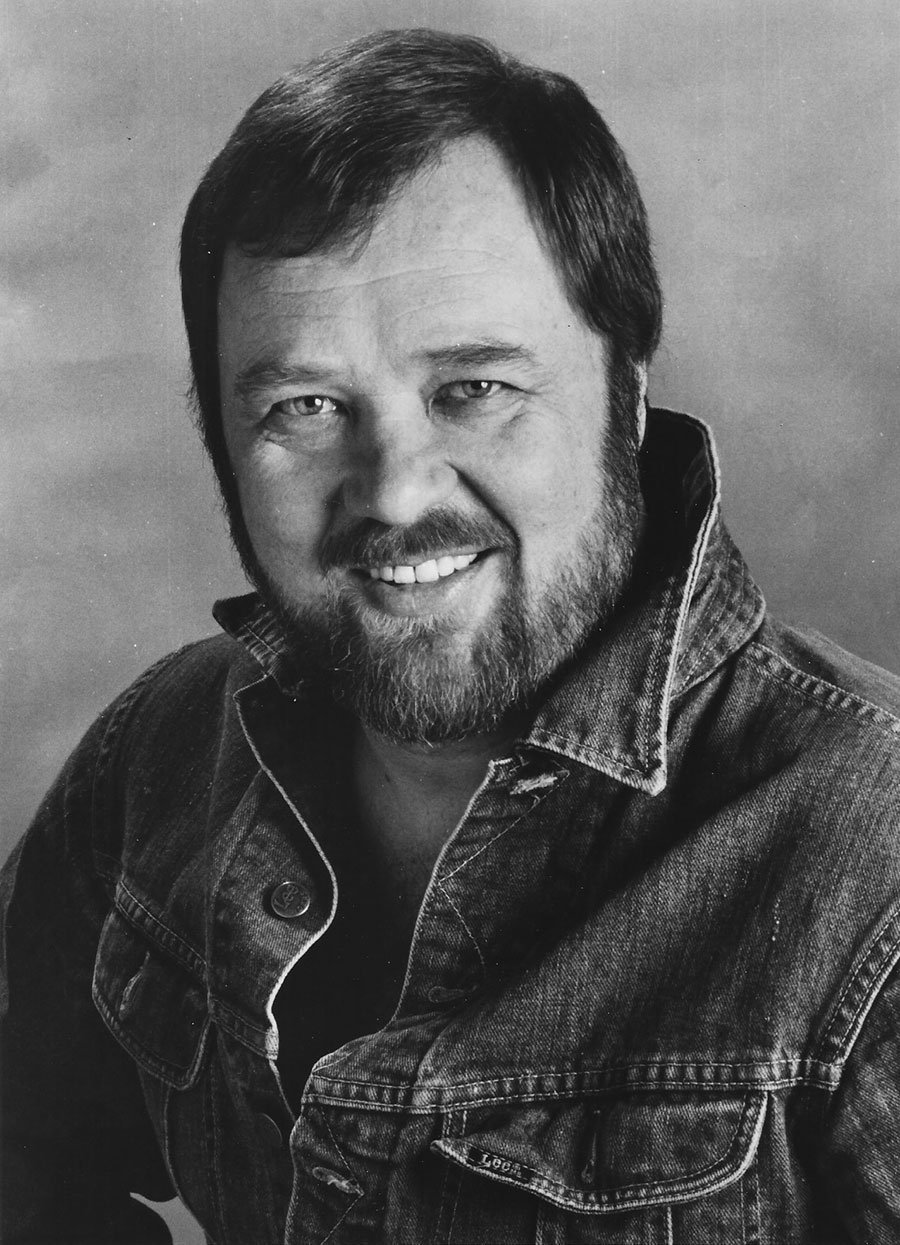
David Clayton-Thomas, the husky-voiced lead singer for Blood, Sweat & Tears, passed away in Toronto on June 24, 2026. He was 84.
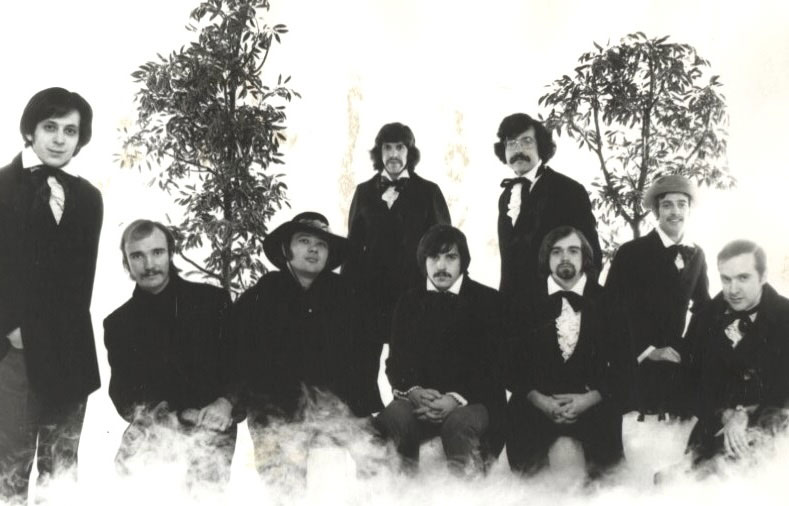
Clayton-Thomas’ distinctive, bluesy voice was such an integral part of the Blood, Sweat & Tears sound, it was easy to forget the nine-piece band—noted for combining a brass section with rock instrumentation—began as an Al Kooper project founded in New York City in 1967,
But Blood, Sweat & Tears didn’t find commercial success until Kooper was out and Canadian singer Clayton-Thomas was in for the group’s self-titled second album, produced by James William Guercio. It contained the group’s signature tunes “And When I Die,” “You’ve Made Me So Very Happy” and “Spinning Wheel” and won the Grammy Award for Album of the Year. Its follow-up, Blood, Sweat & Tears 3, also reached No. 1 and spawned the hits “Hi-De-Ho,” “Lucretia Mac Evil” and “Go Down Gamblin’.”
From the get-go, the band had a revolving-door policy toward musicians. “Things were in change even as I joined,” Clayton-Thomas said prior to a performance at A Taste of Colorado in 1987. “I literally met (famed horn player) Randy Brecker as he was walking out the door as I was walking in.”
By the mid-’70s, the band had recorded four gold albums and sold more than 40 million copies, but its popularity began to decline. Clayton-Thomas left for a solo career, but his vocal replacements never quite measured up. He returned to BS&T in the late ’70s, and the band continued to record with an entirely new lineup in a brass-heavy style. He then took a five-year hiatus from show business.
“At that point, I didn’t record or tour,” Clayton-Thomas said. “But then I got a call from Roberta Flack. She was touring with the Cincinnati Symphony Orchestra, and she wanted me to do the male parts in several duets. And I got the bug again. I did a lot of solo gigs, but to be honest, without using the name Blood, Sweat & Tears, I discovered the difference was about $10,000 a night.”
He began rebuilding the band using a whole new generation of players, soliciting the talents of young classically trained musicians from the most prestigious music schools on the East Coast. “I’ve given up trying to explain the concept of the band. It’s an evolving thing that’s still evolving,” Clayton-Thomas concluded.
“Blood, Sweat & Tears has never been a fixed group. When you have a history of people like Lew Soloff, Bobby Colomby, Jaco Pastorius and Joe Henderson, that’s quite a heritage. So a young player coming in from Juilliard or Berklee has some pretty big shoes to fill. But these new guys are opinionated and knowledgeable; they’re coming in with ideas. They’re not going to accept a gig that puts them into a ‘ghost band’ format.”
Since Clayton-Thomas did not own the rights to the Blood, Sweat & Tears name, a licensing deal was negotiated. For 20 years afterwards, he toured the concert circuit with Blood, Sweat & Tears, a constantly changing roster of players, until his final departure in 2006. Residing back in Canada, he continued his solo career and did occasional shows under his name. BS&T continued on without Clayton-Thomas—at last count, more than 165 different musicians have been members of the band since its beginning.